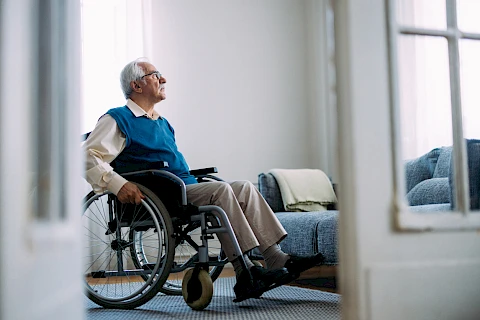
Elder abuse affects at least one in 10 Americans aged 60 and older. Sadly, it is often underreported and misunderstood. By learning to recognize signs of harm and taking action, we can protect our loved ones and neighbors.
Defining Elder Abuse
Elder abuse is defined as any knowing, intentional, or negligent act by a caregiver or anyone else that causes harm or poses a serious risk of harm to a vulnerable adult. Mistreatment can manifest in various forms, each with its own approach and impact.
- Physical abuse involves inflicting physical pain or injury on a senior, such as hitting or pushing.
- Emotional or psychological abuse includes verbal assaults, threats, harassment, or intimidation, leaving victims feeling scared or anxious.
- Financial exploitation involves the unauthorized use of a senior's funds or property, ranging from stealing money to coercing them into signing financial documents.
- Neglect and abandonment occur when a caregiver fails to provide necessary care, including food, shelter, or medical attention.
- Sexual abuse involves non-consensual sexual contact of any kind with an elderly person.
Understanding these different forms of harm is the first step in protecting vulnerable older adults in our communities.
Identifying Warning Signs
Awareness of the warning signs can help stop harm at its earliest stages. Here's what to watch for:
- Unexplained bruises, cuts, or burns. Frequent trips to emergency rooms can also be a red flag.
- Sudden changes in mood or personality, withdrawal from social activities, or an unusual level of fearfulness may all be signs.
- Watch for sudden financial difficulties, missing belongings, or drastic changes in a will or other financial documents.
- Poor hygiene, unsuitable clothing, or living in unsanitary conditions can indicate neglect.
How to Report Suspected Elder Abuse
Act fast if you suspect elder abuse. Start by keeping detailed notes of your observations, including dates, times, locations, and descriptions of any incidents. This documentation can be crucial when reporting to authorities.
Reach out to local law enforcement or adult protective services for assistance. National and local elder abuse hotlines can provide guidance and support. The Massachusetts Elder Abuse hotline is (800) 922-2275. Call 911 if the older adult is in immediate danger of physical or emotional harm.
Remember, the law protects those who report violence in good faith. Your actions could help save a life and improve the well-being of a vulnerable senior.
The Importance of Speaking Up
Elder mistreatment not only affects the victim but also ripples through families and communities, causing heartache and distress. By stepping forward, we help prevent potential tragedies and contribute to a safer, more caring community. We all share the responsibility to protect loved ones, ensuring they live with the dignity and respect they deserve.
Keep Your Loved One Safe With Senior Helpers
Recognizing and reporting elder abuse can be life-saving. When informed and proactive, you can make a significant difference in the lives of vulnerable seniors.
Do you need a trusted, compassionate in-home caregiving service? Contact us today. Senior Helpers Southeastern Massachusetts is here to offer support and resources to those living in Plymouth, Raynham, Dartmouth, Attleboro, and the greater Bristol County area.