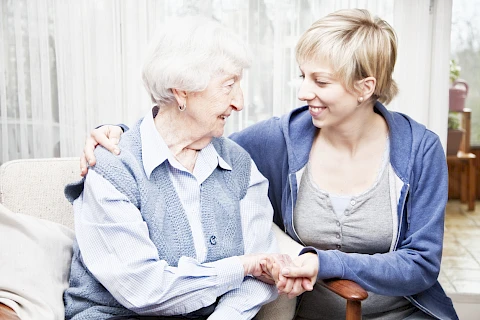
As the colder months approach, many of us experience changes in mood and energy. For some older adults, these changes may be more than just the winter blues. In fact, they could indicate Seasonal Affective Disorder (SAD). Understanding how to recognize SAD in seniors is crucial for caregivers to manage it effectively. By being aware of the signs, caregivers can play a vital role in supporting the well-being of loved ones during the colder months.
SAD in Seniors
Seasonal Affective Disorder is a type of depression that occurs at the same time each year, usually in the fall or winter. Seasonal blues are caused by reduced sunlight exposure, which can disrupt the body's internal clock and lead to feelings of depression and anxiety. Individuals over 55 are particularly susceptible due to age-related changes in their ability to process light and their potential for more limited outdoor activity.
It's essential to differentiate SAD from other mood disorders or medical conditions that those in their golden years might face. Unlike typical depression, this condition is noticeably seasonal and may improve with the arrival of spring.
Identifying Symptoms of SAD
The first step in offering help is recognizing SAD in seniors. Older adults may experience emotional symptoms like persistent sadness, anxiety, or irritability. They may also show physical symptoms such as fatigue, changes in appetite, or sleep disturbances.
Behavioral changes are also key indicators. Elderly retirees might withdraw from social activities or hobbies they once enjoyed. For example, if they are into weekly bingo night, but suddenly stop attending, it might be a sign of winter blues.
Impact of SAD and When to Seek Help
Seasonal Affective Disorder (SAD) significantly affects older individuals, making daily tasks difficult and leading to poor self-care, disrupted eating, and sleep patterns. Caregivers may struggle to engage their loved ones in activities, underscoring the importance of early detection. If symptoms persist and hinder daily living, it's crucial to seek professional help. Treatment options, such as light therapy, counseling, or medication, can provide relief. A doctor or healthcare professional can create a tailored plan to support seniors and their caregivers.
Supporting Older Adults in the Winter Months
Caregivers can take several steps to support those in their golden years who are dealing with seasonal depression.
- Encourage exposure to natural light by opening blinds or taking short walks if weather and mobility allow.
- Maintain a healthy, balanced diet to improve mood and energy levels.
- Suggest enjoyable indoor activities that promote physical movement and social interaction, like chair yoga or group games.
Social interaction is also vitally important. Encourage them to connect with family and friends, whether through visits or virtual chats, to combat feelings of isolation.
In-Home Healthcare for Loved Ones With SAD
Recognizing SAD in seniors is crucial for addressing and maintaining their quality of life during the winter months. Caregivers can make a significant impact by being observant and proactive. If you or an elderly loved one needs support, contact Senior Helpers Lafayette. We provide in-home care to help combat seasonal depression and maintain spirits in Lafayette, New Iberia, Morgan City, Abbeville, and Jennings.