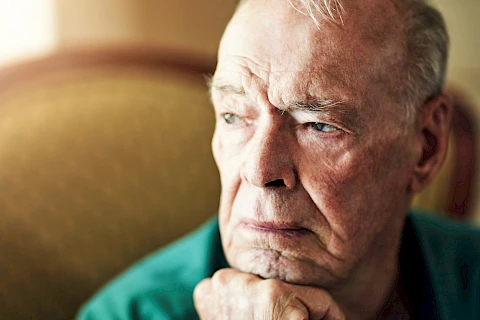
Caring for senior veterans comes with unique challenges, particularly when it comes to recognizing and addressing Post-Traumatic Stress Disorder (PTSD). Many veterans have endured experiences that can lead to PTSD, a condition that can affect their peace of mind and quality of life even years after their service. For caregivers, identifying PTSD is critical to providing compassionate and effective care for senior veteran loved ones.
PTSD in Senior Veterans
PTSD is often the result of traumatic experiences, such as combat or witnessing life-threatening events. For senior veterans, these memories might resurface due to age-related changes, new stresses, or various life transitions. PTSD might manifest differently in older adults than in younger individuals. Instead of the more immediate, intense flashbacks seen in younger people, senior veterans may show increased withdrawal or mood changes. This can impact their relationships and daily activities, making it harder for them to enjoy life fully.
Identifying Signs of PTSD
As caregivers, it's crucial to recognize the subtle signs of PTSD in senior veterans. This way, you can take the necessary steps to get your senior loved ones the support they need. Signs of PTSD include:
- Behavioral signs: Look for increased isolation, changes in sleep patterns, or avoidance of specific places or conversations related to their military service.
- Emotional and psychological symptoms: Senior veterans might experience heightened anxiety, depression, or sudden anger. These symptoms may alter their interactions with family and friends.
- Physical symptoms: Notice any unexplained chronic pain, fatigue, or tension that doesn't have a clear medical cause, which could be linked to PTSD.
Approaching the Topic Sensitively
Discussing PTSD with a senior veteran requires sensitivity and care. Start by choosing a quiet, comfortable setting to initiate the conversation. Show empathy and practice active listening. Let the veteran share their experiences at their own pace and mirror the language they feel most comfortable using. Building trust is essential, so let them know they are in a safe space where their feelings are respected and understood.
Supporting Coping Mechanisms
Once a senior veteran acknowledges their PTSD, caregivers can support them in several ways. Encourage healthy lifestyle changes, such as maintaining a balanced diet and engaging in regular physical exercise, which can significantly improve mental health and resilience. Just remember to consult a healthcare provider before letting your senior loved one start a new exercise routine.
Introduce stress-reduction techniques like mindfulness, meditation, or yoga, which can have calming effects. Promote social support by encouraging participation in community groups or veterans' organizations, where they can find camaraderie and understanding.
Connecting With Professional Help
Sometimes, professional help is the best option. Look for signs that suggest this, like discussions about self-harm or an inability to work through symptoms alone. Fortunately, there are local resources available, such as counseling services through the VA, licensed therapists experienced in trauma care, and support groups specifically for veterans.
Senior Helpers Northwest Indiana Provides Personalized Veteran Care Services
Recognizing and addressing PTSD in senior veterans is essential in providing the compassionate care they deserve. As caregivers, taking proactive steps to identify symptoms, support coping strategies, and connect with professional help can make a significant difference in your senior loved one’s life. If you're caring for a senior veteran and could use more support at home, we can help. Senior Helpers Northwest Indiana provides professional senior in-home care, including veteran care services. Contact us for more information on our services in Crown Point, Gary, Hammond, Lake County, and East Chicago.