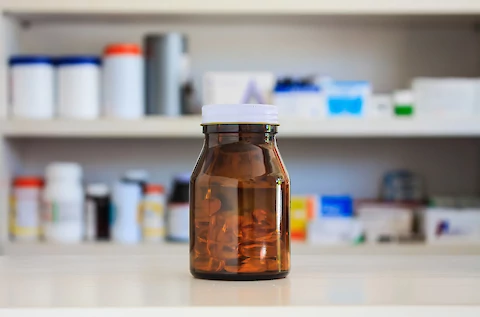
Most medications should be stored at room temperature, between 68°F and 77°F, away from heat, sunlight, and moisture. Once summer temperatures climb in Northwest Indiana, the usual spot in a kitchen cabinet or a car's glove box can get hot enough to change how a medication works. Knowing how heat affects medicine, and where to keep it, protects your prescriptions at home and on the go.
How Heat Affects Medications
Extreme heat can make medications less effective, especially temperature-sensitive ones. Insulin for diabetes and nitroglycerin for heart conditions, for example, can lose potency after heat exposure. Some drugs can also break down into substances that aren't safe to take. Keeping medications from overheating helps them work as expected without adding health risks.
Medication Storage Temperature Guidelines
- Room-temperature medications (most pills and liquids): 68°F to 77°F. Short trips slightly outside that range are usually fine, but extended heat is not.
- Refrigerated medications: 36°F to 46°F. Never let them freeze, since freezing can damage them as much as heat.
- Insulin: Keep unopened insulin in the refrigerator. Many insulins can stay at room temperature once in use, often up to 28 days, as long as they stay below 86°F. Check the label for your specific product.
Always follow the storage instructions on the label or package insert. When in doubt, ask your pharmacist.
Tips for Safe Medication Storage at Home
A common but mistaken habit is keeping medicine in the bathroom cabinet. Showers and baths cause heat and humidity spikes, which make bathrooms one of the worst places for medication. A bedroom drawer or a dedicated cabinet in a cooler part of the house works better.
To keep that spot cool, close the blinds during the hottest part of the day or run a fan to keep air moving. Never leave medications on a windowsill or anywhere in direct sunlight.
For medications that need refrigeration, give them their own shelf or a plastic container so they stay separate from food. Keep them away from the back of the fridge, where items can freeze.
If the power goes out during a summer storm, move refrigerated medications to a cooler with ice packs, making sure they don't touch the ice directly. Then call your pharmacist to ask if they're still safe to use.
Portable Solutions for Medication Storage
For trips to the beach, a picnic, or a long summer drive, an insulated bag with a cold pack keeps medications cooler. Wrap the medication so it doesn't touch the cold pack directly, since freezing can be as damaging as heat.
Never leave medications in a parked car on a warm day. The temperature inside can rise well past safe levels within minutes, even with the windows cracked. If your prescriptions arrive by mail, bring the package inside as soon as it's delivered.
Signs a Medication May Be Damaged
Heat damage isn't always visible, but some signs are worth checking for:
- Pills that are stuck together, cracked, discolored, or smell different
- Capsules that are soft or melted
- Creams that have separated
- Insulin or other liquids that look cloudy, clumpy, or discolored when they're normally clear
Don't take a medication that looks or smells different. Ask your pharmacist about a replacement.
Medication Support for Seniors in Northwest Indiana
Senior Helpers Northwest Indiana provides in-home care for seniors in Crown Point, Gary, Hammond, and East Chicago. Our personal care and companion care services include help with daily routines like medication reminders, so nothing gets missed during a busy summer. Contact us to talk about senior caregiving options.