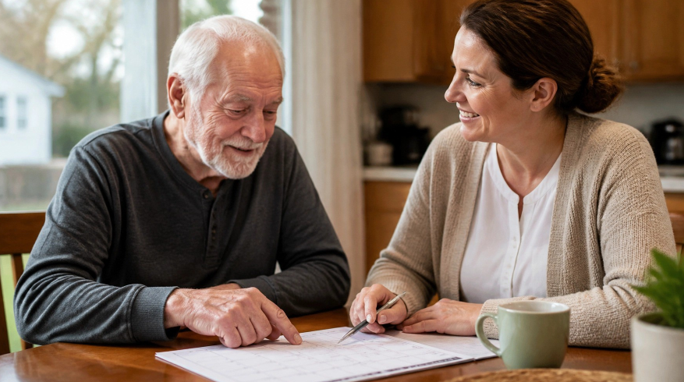
For many veterans, home represents more than a place to live. It may be where family memories were made, where familiar routines bring comfort, and where independence has been carefully maintained over the years. As daily tasks become more challenging, in-home care can help an aging veteran re-main in a familiar environment while receiving the practical and personal support they need.
Senior Helpers of Bolingbrook and Southwest Suburbs of Chicago provides personalized in-home se-nior care for veterans and their families in Bolingbrook and surrounding Suburbs. Care plans are shaped around each person’s abilities, preferences, health needs, and goals. Whether a veteran needs occasional companionship or more consistent daily support, the right care can promote safety, confi-dence, and quality of life at home.
Respectful Care That Honors Each Veteran’s Story
Every veteran has a unique history. Military service may have shaped their routines, relationships, val-ues, and expectations for personal responsibility. Effective caregiving begins by recognizing the indi-vidual behind the care plan.
A professional caregiver can take time to learn about a veteran’s preferences, interests, communica-tion style, and daily habits. This may include understanding how they prefer to organize their morn-ing, what foods they enjoy, which activities are meaningful to them, and how they like to make deci-sions about their care.
Respectful support does not mean taking over. Instead, a caregiver can provide assistance where it is needed while encouraging the veteran to remain involved in everyday choices. This approach can help preserve dignity and reinforce a sense of independence.
Companionship and Connection at Home
Social isolation can affect older adults, especially when driving, mobility, or health concerns make it harder to participate in activities outside the home. Veterans may also miss the camaraderie and structure they experienced during active service.
Companion care can provide meaningful connection throughout the day. Depending on the veteran’s interests, a caregiver may:
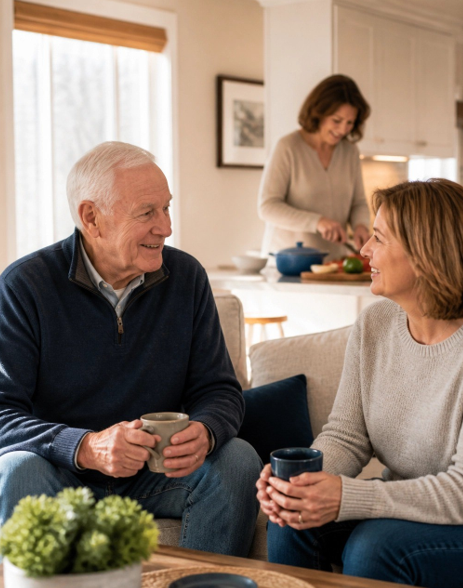
- Share conversation over coffee or a meal
- Look through photographs and discuss military experiences
- Play cards, board games, or other favorite games
- Read books, newspapers, or magazines together
- Accompany the veteran on a walk or community outing
- Help maintain contact with friends and family
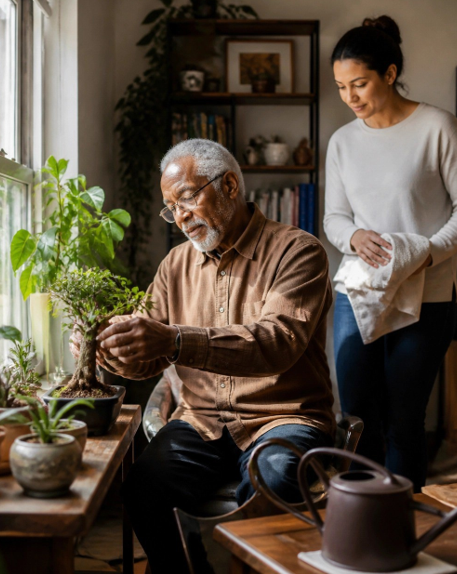
- Support hobbies such as gardening, music, or crafts
Companionship is not simply about filling time. A trusted caregiver can help create a dependable rhythm to the day and offer encouragement during periods when a veteran feels lonely or less en-gaged.
Support With Daily Routines
Aging, chronic illness, memory changes, or the effects of an injury can make ordinary routines more difficult. In-home care may help a veteran manage these tasks while remaining in a familiar setting.
Depending on the care plan, support may include:
- Preparing nutritious meals and snacks
- Light housekeeping and laundry
- Organizing belongings and reducing clutter
- Medication reminders
- Assistance with dressing and grooming
- Help with bathing-related routines
- Transportation or accompaniment to appointments
- Support with errands and grocery shopping
- Encouragement to follow an established daily schedule
A caregiver can also provide observations to family members about changes in appetite, mood, ener-gy, or routine. These observations do not replace medical advice, but they may help families recog-nize when it is time to contact a healthcare provider.
For veterans living with Alzheimer’s disease, dementia, Parkinson’s disease, or another chronic illness, consistent care can be especially valuable. A familiar caregiver and predictable routine may help re-duce confusion and make daily activities feel more manageable.
Families can learn more about personalized senior home care services in the Bolingbrook area.
Mobility and Fall-Prevention Support
Falls are a serious concern for many older adults. Changes in balance, muscle strength, vision, med-ication effects, or home safety can increase the risk. Veterans with service-related injuries or chronic conditions may face additional mobility challenges.
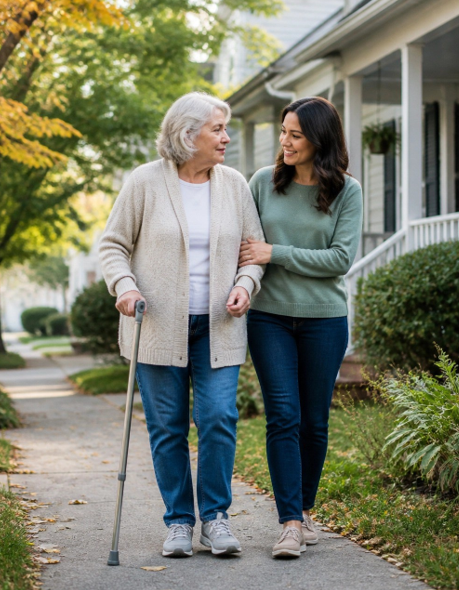
A caregiver can support safer movement by offering assistance during transitions, such as getting out of bed, standing from a chair, or moving between rooms. Caregivers may also provide encourage-ment during walks and help veterans use mobility equipment according to their established care in-structions.
Fall prevention can include simple household habits such as:
- Keeping pathways clear of cords, boxes, and loose rugs
- Improving lighting in hallways, stairways, and bathrooms
- Placing frequently used items within easy reach
- Encouraging appropriate footwear
- Using grab bars or other recommended safety equipment
- Watching for spills or other hazards
- Supporting a steady, unhurried pace during movement
A professional caregiver does not replace a physical therapist or medical professional. However, care-givers can help reinforce a home environment and routine that supports safer mobility. Families may also find helpful information in this local resource about everyday tasks for seniors with limited mo-bility.
Respite for Family Caregivers
Family members often want to provide as much care as possible, but caregiving responsibilities can become physically and emotionally demanding. Managing appointments, meals, household tasks, personal care, and supervision can leave family caregivers with little time to rest or attend to their own needs.
Respite care provides temporary relief while helping the veteran continue receiving dependable sup-port. A professional caregiver may assist while a family member:
- Goes to work or attends school
- Runs errands
- Keeps a medical appointment
- Spends time with other family members
- Takes a walk or enjoys a personal activity
- Gets adequate sleep
- Takes a planned vacation or longer break
Respite care is not a sign that a family has fallen short. It is one way to build a sustainable support system. When family caregivers have time to recharge, they may be better able to remain patient, at-tentive, and present in their relationships with their loved ones.
Exploring VA Benefits and Other Care Resources
Veterans and their families may wish to explore whether VA benefits or other programs could help with care needs. Eligibility, covered services, costs, and application requirements vary based on indi-vidual circumstances and can change over time.
The U.S. Department of Veterans Affairs information about Aid and Attendance and Housebound benefits explains that qualified veterans and survivors may be eligible for monthly payments added to a VA pension. These benefits have specific requirements, and receiving them is not automatic.
The VA also provides information about Home Based Primary Care, which may be available to en-rolled veterans who meet clinical needs and live in an area where the service is offered. Other VA pro-grams may address home and community-based services or caregiver support.
Senior Helpers of Bolingbrook and Southwest Suburbs of Chicago does not promise eligibility for VA benefits and should not be assumed to be VA-approved based solely on this article. Before making care or financial decisions, veterans and families should contact the U.S. Department of Veterans Af-fairs or speak with an accredited veterans benefits representative, such as an accredited Veterans Ser-vice Officer. These professionals can provide current guidance about eligibility, applications, referrals, and available programs.
Creating a Care Plan Around Independence
The most helpful care plan is one that reflects the veteran’s actual needs rather than a generic sched-ule. Some veterans may need only a few hours of companionship each week. Others may benefit from daily assistance with meals, mobility, personal routines, or memory-related support.
Families can begin by considering:
- Which activities have become difficult or unsafe?
- What does the veteran still want to do independently?
- When during the day is support most important?
- Are there concerns about falls, missed meals, or medication reminders?
- How much time can family members realistically provide?
- What changes might be needed if the veteran’s condition progresses?
Senior Helpers uses its free LIFE Profile assessment to help identify personal care needs, preferences, and goals. This information can support a more individualized conversation about care at home.
A Dependable Local Partner for Veterans and Families
Choosing in-home care is an important decision. Veterans and their families deserve caregivers who treat them with respect, communicate clearly, and understand that independence can look different for every person.
For families in Bolingbrook and surrounding Suburbs, Senior Helpers of Bolingbrook and Southwest Suburbs of Chicago offers care tailored to individual needs. Support may include companionship, as-sistance with daily routines, mobility encouragement, respite for family caregivers, and specialized care for conditions such as Alzheimer’s, dementia, Parkinson’s disease, and other chronic illnesses.
If you are beginning to consider care for yourself or an aging veteran you love, contact Senior Helpers of Bolingbrook and Southwest Suburbs of Chicago to discuss your concerns and learn how a personalized plan may help your loved one live