News and Blog
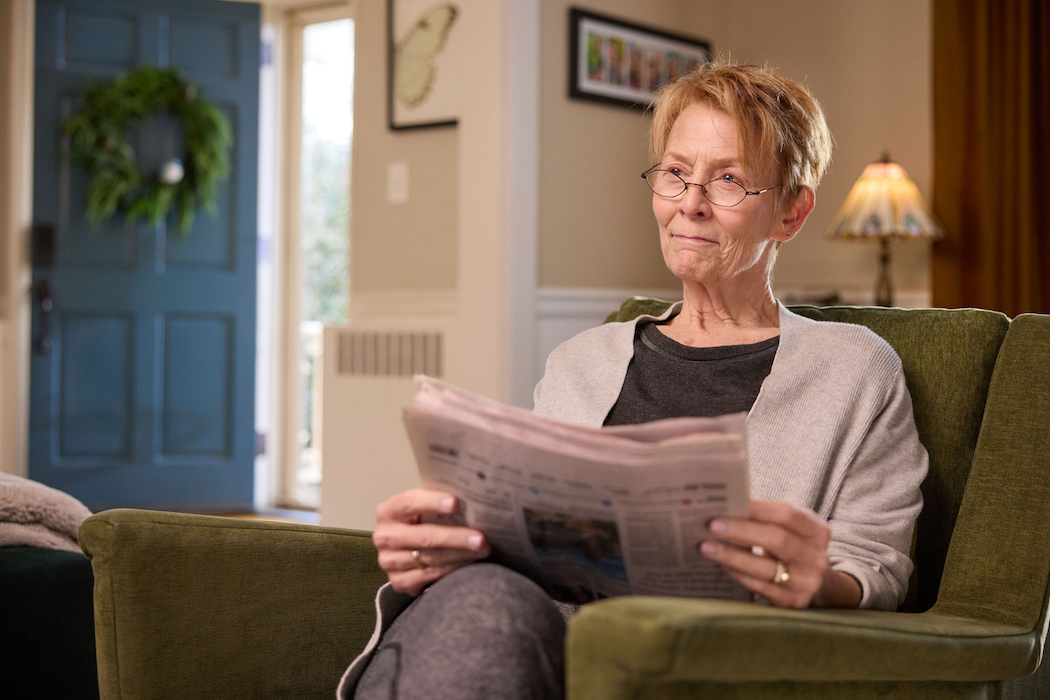
Recovering from a stroke is a life-changing journey, for both stroke survivors and their families. While the hospital and rehabilitation phases are critical, healing continues at home. With the right support, environment, and care plan, stroke survivors can regain independence, rebuild strength, and improve their overall quality of life. Read on for a few things that stroke survivors and their families should know about stroke recovery at home and how in-home care can make a meaningful impact.
Continue ReadingApril is Parkinson’s Awareness Month, a time to increase understanding of Parkinson’s disease and share practical ways to support those living with it. Parkinson’s is a progressive neurological condition that affects movement, coordination, balance, and muscle control. Over time, symptoms such as tremors, rigidity, slowed movement, and postural instability make everyday tasks more difficult. Non-motor symptoms, including fatigue, dizziness, sleep disturbances, and changes in blood pressure, can also affect safety.
Continue ReadingIn-home care helps reduce seniors’ blood pressure by creating a calm environment, improving diet, ensuring medication consistency, and providing companionship to support heart health.
Continue ReadingCaring for yourself or someone you love often becomes more challenging as needs change. Small shifts in memory, mobility, or behavior often signal bigger challenges that affect their safety and independence. Recognizing these signs early allows you to get the right support and help your loved one stay comfortable at home. Here are ten indicators that it may be time to bring in home care.
Continue ReadingAccording to AARP’s 2024 Home and Community Preferences Survey, about 75% of Americans aged 50 and older want to stay in their homes as they age. In 2025, the average cost of full-time in-home care hovers around $61,776 per year (about $5,148/month). The average cost of assisted living runs between $6,077 and $6,500 per month, depending on the source. This means in many cases, in-home care remains the more cost-effective choice, plus seniors benefit from staying in comfortable, familiar surroundings. However, most homes were not originally designed with the needs of older adults in mind. In this blog, we’ll explore home improvements and modifications to make aging in place safer, more accessible, and more comfortable for seniors.
Continue Reading