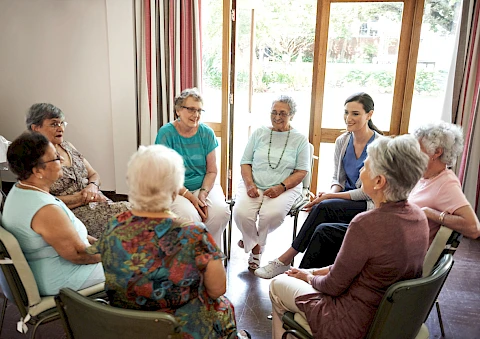
Loneliness has a way of convincing people that nobody else feels this way. Then you sit in a circle of folding chairs with eight other people, and someone describes your exact Sunday evening. Peer groups work largely because of that recognition. Finding the right support groups for seniors takes some looking.
What a Peer Group Offers That Friends Sometimes Can't
Friends and family may be busy or unsure what to say. Some jump straight to fixing things. A peer group works differently. Everyone in the room has lived through something similar. Nobody needs the backstory explained.
Members swap practical tips, like which pharmacy delivers or which grief book was actually worth reading, and they notice when someone is missing. Over a few months, it becomes a standing date.
The National Institute on Aging notes that social isolation and loneliness are linked to health risks among older adults, making regular, meaningful contact worth protecting.
Types of Support Groups for Seniors to Consider
Groups come in more flavors than most people expect.
- Grief and loss groups - for people who have lost a spouse, partner, or close friend. Hospices, churches, and funeral homes often run these. Most are open to anyone.
- Health condition groups - for people living with diabetes, Parkinson's, hearing loss, heart disease, or cancer, often hosted by hospitals.
- Caregiver groups - for spouses caring for a partner at home, which can be one of the loneliest roles there is.
- Life transition groups - for recent retirees or people who've just moved.
- Mental health peer groups such as the NAMI support groups - for people with mental health conditions and for their families.
Finding One Near You
Ask your doctor's office which groups patients have liked, and call a senior center in Savannah or Pooler to ask for a copy of this month's calendar. Faith communities on Tybee Island and in Port Wentworth often host groups open to the public.
The Eldercare Locator is a free national directory that connects families with local resources for older adults. Your local aging office may also know about nearby support groups and transportation options.
How to Tell If a Group Fits
Go at least twice before deciding. After each one, pay attention to how you feel on the drive home, because your mood in the hour after a meeting tells you more about the fit than anything the flyer or the facilitator promised. Feeling lighter is a good sign. Feeling drained or ignored two weeks running suggests trying a different group. A good facilitator keeps any one person from taking over and ensures newcomers have a chance to speak if they want to, without forcing it.
Some people open up in a group of five and freeze in a group of twenty. Meeting time and parking count for more than people expect.
Getting to the Group Each Week
The hardest part of support groups for seniors can be getting there every week, especially after dark, in a summer downpour, or once driving across the bridges and busy stretches of the county has become stressful. Senior Helpers Chatham County provides caregivers who can offer rides to meetings and appointments, companionship at home, and help with everyday tasks that pile up. Contact us to talk about how we can help keep that weekly meeting on the calendar.