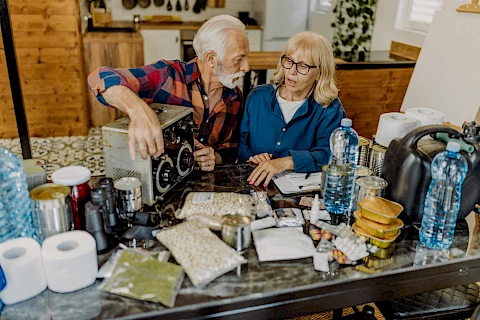
Storm season brings real risks for older adults in this area. Power outages, evacuations, and pharmacy closures can quickly disrupt a familiar routine, but a little preparation can make a big difference when severe weather arrives. Start with the basics before the forecast gets serious.
Put the Plan Where People Can Find It
Storm notices can change plans quickly. Keep the household emergency plan on paper near the phone and inside the emergency bag. Include family contacts, doctors, pharmacy numbers, and a designated meeting place.
For a parent in Fort Lauderdale or Sunrise, write down who will pick them up if an evacuation is ordered. Go over the plan together so everyone understands what will happen first. A plan is easier to follow when the person knows what to expect.
Keep a printed medication list with each medication's name, dosage, schedule, prescriber, and pharmacy number. Update it whenever something changes. Make sure a family member who is not usually involved in day-to-day care knows where to find the list.
It can also help to identify people who can assist during the first day after a storm. Include someone who lives nearby and someone outside the area. Keep the list current. A relative in another city may be able to make calls, while a neighbor may be the person who can reach the home quickly.
Pack for the Person’s Real Needs
Start with water, shelf-stable food, a flashlight, batteries, glasses, hearing-aid batteries, clothing, and copies of health information. Keep the emergency bag portable and easy to carry. Add prescription details and several days of medication, when possible.
The Federal Emergency Management Agency guides basic emergency kit supplies. Add the everyday items your loved one relies on, such as a cane, phone charger, or spare set of keys. Keep the bag manageable. If it is too heavy to move easily, it may end up staying by the door when it is needed most.
Consider these additional needs when preparing an emergency bag:
- Mobility aids, such as a cane, walker, or wheelchair accessories
- Extra glasses, hearing-aid batteries, and other personal supplies
- Medication information and several days of medications, when possible
- Phone chargers, backup batteries, and other necessary electronics
- Copies of medical information and emergency contacts
- Familiar items, snacks, or clothing that can provide comfort during a temporary stay
Ask the person's doctor or medical equipment supplier what to do if power-dependent equipment stops working. Write the instructions down. Planning for backup batteries, alternate equipment, or another location is easier before a storm warning arrives.
Plan Around Mobility and Power
Some older adults need assistance getting into a vehicle or rely on medical equipment that requires electricity. Identify those needs ahead of time. Decide who has an appropriate vehicle and where the person could stay if they need to leave home.
In Lauderhill, Plantation, or Davie, talk through both the primary and backup evacuation routes. Flooded streets, road closures, or heavy traffic can turn a short drive into a long wait when many people are leaving at once. During storm season, keeping the vehicle's fuel level above half a tank can also provide some flexibility.
For someone experiencing memory changes, consider using a simple card that states where they are going and who is accompanying them. Familiar snacks, a sweater, or a small photo can also make a temporary stay feel more comfortable.
Review the plan after the first major storm of the season. You may discover that a phone number is outdated, a medication list needs updating, or the emergency bag is missing something. Making those changes on a calm day is much easier than trying to do so during a storm.
Run Through the First Ten Minutes
Choose a meeting place that is easy to reach and easy to explain. Write the address down and keep it with the emergency plan. During a stressful phone call, a simple plan is often easier to follow than several possible destinations.
An evacuation plan can feel like a lot to discuss on an ordinary afternoon, but walking through it with the older adult and their helpers allows everyone to ask practical questions before severe weather makes every decision feel rushed.
Practice gathering the emergency bag, securing the home, and getting to the car. Time the process. A practice run can reveal a missing phone number, a blocked walkway, or an emergency bag that would be easier to move with wheels.
Be Prepared For Emergencies in Sunrise, FL
Severe weather preparation is about more than gathering supplies. It is also about making sure an older adult has a clear plan, familiar support, and the help they need before, during, and after a storm.
Senior Helpers Sunrise can help families plan and maintain daily routines for older adults in Fort Lauderdale, Lauderdale Lakes, Lauderhill, Plantation, Sunrise, Broadview Park, Davie, North Lauderdale, Tamarac, and Weston. Our team can discuss support and ways to help your loved one stay prepared when severe weather is a concern. Learn more about our in-home care services and connect with our team today to discuss your family’s needs.