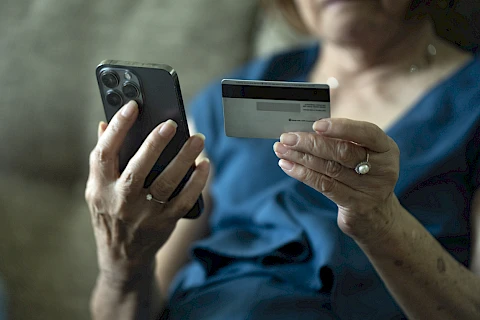
Not every senior discount is real. Scam calls, fake charities, and misleading offers often target older adults, and even a sharp mind can be caught on a tired afternoon or after a hard week. Learn the common patterns before the phone rings.
A Discount Can Be Real
Restaurants, museums, travel companies, and local shops often offer discounts for older adults. Saving money is welcome. A flashy offer can also be a way for a scammer to get your card number, account details, or other personal information.
A message that says “today only” or asks you to pay before you can read the terms deserves a closer look. The AARP Fraud Watch Network has practical information about spotting common fraud tactics. Hold that thought.
A real business gives you time to read an offer. It will not demand payment by gift card, cryptocurrency, wire transfer, or a payment app just to receive a discount.
Check the Seller on Your Own
Start at the company’s official website or call a phone number you find independently. Do not use the number in an unexpected text or email. Search the business name with “complaint” or “scam,” then ask a trusted person to read the offer with you.
For a provider, ask for a written estimate, a street address, and proof of licensing when the work requires it. For a large repair, get a second estimate. Read renewal terms. A low first price may hide a subscription or fee that returns on your card statement later. Put the terms beside the price before you agree.
Keep Private Details Private
Do not give an unsolicited caller your Social Security number, online banking password, or one-time security code. A bank or government office will not demand those details out of the blue.
If someone claims a relative is in trouble, contact that family member using a number you already know. If an email appears to come from a store, type the store’s address into your browser rather than opening the link. A caller may sound convincing because they have your name or town. That information alone does not prove they are legitimate.
Find Deals in Familiar Places
Ask at a museum, grocery store, transit office, or community centre. Many discounts are available in person and do not require joining a new website. Keep a small list of places you already use and their regular discount days (a folded note in the wallet works). Keep it manageable.
A friend or family member can compare offers with you, while you remain the person making the final choice. If you sent money or shared details, tell your bank and a trusted person as soon as you can. Shame makes many people stay silent, and reporting quickly may limit further loss.
Use a card with strong fraud protections for a legitimate online purchase when possible, and check the statement afterward for unfamiliar charges, since a small charge can sometimes be a test before a larger one appears.
Safer Savings Around Melbourne
A pause can protect you before a decision is made. No honest deal needs a panicked decision.
Senior Helpers Melbourne can provide companionship and help with everyday errands while you keep control of your decisions. Contact us to learn about support in Melbourne, Palm Bay, Grant, Malabar, and nearby areas.