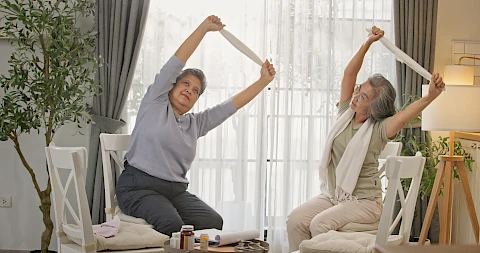
Bone health tends to slip down the priority list when you're busy managing medications, doctor visits, and all the other demands that come with supporting an aging parent. But June is National Osteoporosis Month, a good moment to ask whether your loved one is getting the movement their bones actually need. Encouraging exercise when fracture risk feels real can be scary, and that hesitation is understandable.
Why Movement Matters More Than Rest for Fragile Bones
The instinct to keep a parent still after an osteoporosis diagnosis makes intuitive sense. If bones are weak, activity seems like it would increase the danger. In practice, the opposite holds. Weight-bearing exercise stimulates bone formation and improves muscle strength, which helps protect against falls, according to the National Institutes of Health. A sedentary senior loses bone density more quickly and becomes weaker, which increases fall risk rather than reducing it.
The key is choosing the right activities. Your loved one's physician or a physical therapist can help design an exercise plan calibrated to their specific bone density and fitness level. That conversation is worth having before you begin.
Safe Activities to Explore Together
For seniors living with osteoporosis, activities that combine gentle weight-bearing with balance training tend to offer the most benefit with the most manageable risk.
Walking is usually a strong starting point. A slow, steady neighborhood walk around Melbourne Beach or Palm Bay, with a clear path and comfortable shoes, counts as weight-bearing exercise and gives you both some unhurried time together. Tai chi has solid research supporting its use for fall prevention; many community centers in Melbourne offer classes tailored for older adults. Chair-based strength exercises, guided by a physical therapist, build the hip and leg muscles that catch a stumble before it becomes a fall. Swimming and water aerobics are worth including too, especially during Florida summers, though they don't carry the bone-stimulating load that land-based exercise does.
Motivating a Parent Who’d Rather Sit It Out
A loved one who is anxious about breaking a bone may resist encouragement to move. Meeting that resistance with empathy works better than a health lecture. Try asking what they enjoyed before the diagnosis. Were they a walker? Did they garden? A modified version of something familiar feels less threatening than a new exercise program.
Joining them helps enormously. Families across Grant, Malabar, and Sebastian have found that a standing Saturday walk, even a short one, turns exercise from a chore into something both parties look forward to. If your parent sees you putting on your shoes, they're more likely to put on theirs.
Partnering With a Physical Therapist
A licensed physical therapist can assess your loved one's balance, gait, and muscle strength and build a program from there. They'll identify movements to avoid (deep forward bends and high-impact activities are typically off the list for fragile vertebrae) and give you both the confidence to proceed. Attending the first session alongside your loved one helps you understand the exercises so you can offer safe support at home.
Moving Forward Together in the Brevard County Area
The goal is a life with fewer limitations, not more, and thoughtful movement is one of the most effective tools available. Senior Helpers of Melbourne supports families across Melbourne, Palm Bay, Grant, Malabar, and Sebastian with compassionate in-home care that complements the work you're doing as a caregiver.
Our team can accompany your loved one on walks, provide transportation to physical therapy, and offer the consistency that keeps a new routine from falling apart. Contact us today to learn how we can help your family build a safer, more active daily life.