News and Blog
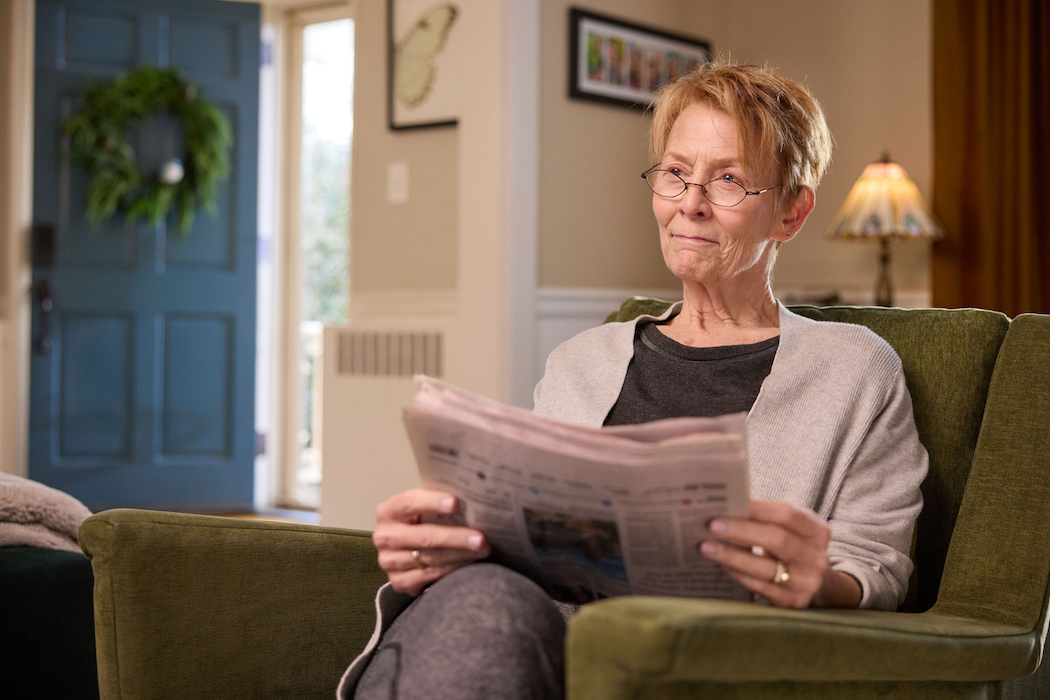
When the word travel comes up, most people have different images come up in their minds. For some, it means jet-setting off to a exotic, tropical locale. For others, a simple road trip out to see tourist stops along the highway, or maybe an all-inclusive cruise through the Gulf of Mexico.
Continue ReadingTo a doctor, the way an older adult walks can reveal a lot. It can capture a snapshot of overall functioning and well-being, provide insight into a senior’s mobility and independence, and give foresight into fall risk, hospitalization, and future disability.
Continue ReadingIt is necessary for seniors to practice proper diet and eating habits, to maintain both their mental and physical health. Eating well can restore your health, lift your mood, and raise your spirits. Keeping a healthy diet, making sure to engage in regular exercise as part of your routine, and engaging in outdoor activities in an atmosphere with plenty of sunlight and oxygen are great ways to improve your general health and overall well-being.
Continue ReadingStaying active is important for everyone, but it’s particularly important for seniors. Maintaining your physical health is a key aspect to maintaining independence and quality of life. Strong muscles, good balance, and stamina will help you do everyday tasks like shopping, housekeeping, gardening, enjoying time with your family, and help you to bounce back from injuries and illnesses.
Continue ReadingCollecting is a widely enjoyed hobby by many people across the country, and many of us who collect are intensely proud of our collections, eager to talk about them and show them off. Most collections are benign and reasonable, perhaps we bring home a souvenir spoon or magnet from everywhere we visit, or we seek out and collect rare baseball cards, lovingly storing them or displaying them in specially built cases or binders. But compulsive hoarding is a detrimental behavior that is completely different than simply having a sprawling collection or two.
Continue ReadingThe aging process brings many joys, such as seeing children and grandchildren grow, having more time to spend on leisure activities and hobbies, and focusing on the parts of life that matter most. But for 18% of adults aged 65 or older, depression looms as an ever present threat to steal those joys. Depression is a treatable medical condition and should never be considered a normal part of aging. While aging may make treatment complicated, relief from symptoms is always possible.
Continue ReadingMany of us work full time and are also busy with other responsibilities, such as raising children, managing their own homes, and engaging in social activities or hobbies. This makes taking on the role of a family caregiver in the event that a loved one suddenly has a condition or illness that requires regular care difficult.
Continue ReadingSummer is nearly upon us, and the days will begin to get warmer and longer. Many people in the United States welcome the season, looking forward to getting outside and enjoying outdoor activities and gatherings made possible by agreeable weather and long, sun drenched days, with our country’s senior citizens being no exception. However, a very large percentage of adults aged 65 and older have at least one prescription medication they take on a daily basis, if not multiple medications that need to be taken at specific times throughout the day. And unfortunately for seniors looking to stretch their legs and soak up the sunshine, many common prescription medications can complicate their fun in the sun.
Continue ReadingFor seniors looking to stay active and reap some of the many health benefits of exercise, swimming can be a great and effective way to stay moving and boost their health and mood. Swimming is not only fun and relaxing, but it also poses less risk of injury than many other activities, and it can be done by people of all ages and many different levels of health or ability. It also does not require any special training or special equipment beyond a volume of water large enough for swimming, and it’s one of the best ways to beat the heat on a hot summer day.
Continue ReadingOne of the most common concerns over growing older cited when aging people are surveyed is loss of independence. Three out of four adults 50 years of age or older want to stay in their own homes and communities as they live through their twilight years. But with this, many older people worry about not being able to move around as well when they get older, meaning they’ll be unable to continue with their favorite activities, visit their favorite places, or even keep up with the necessary daily tasks of living.
Continue ReadingAs the Winter months give way to Spring, a time of new growth and celebration, one way seniors can ring in the coming season’s warmth and bountiful plentitude is by taking up a new hobby, particularly gardening. The warmer temperatures and increased sunlight are perfect conditions for getting outside, getting in the dirt, and planting your favorite flowers or vegetables. Seeing a garden grow from seed to a panoply of brightly colored flowers, lush greens, and nutritious vegetables is one of the most satisfying projects one can undertake, and more than that, it has many benefits that are of particular interest to senior citizens. Read on to find out more about how this hobby can help you to live your best life as you enter your twilight years.
Continue ReadingThe aging process brings about a variety of changes to your body and your health. Some people experience minor aches and pains, and others begin to suffer vision loss. While a decline in vision is a common change that happens to us as we age, for some that means simply needing to pick up a pair of reading glasses and a book light, and for others it can be much more severe, with a near total loss of vision.
Continue ReadingNo matter what age you are, the health of your mouth is a critical piece of your overall health. With a healthy mouth, you will have no problem eating the foods that you love and need for proper nutrition. You’ll also be unafraid to smile, talk, and laugh, helping you get the social interaction you need for your mental health and mood, and maintain a good sense of self esteem. If you neglect your teeth, eventually they’ll go away, so proper care and regular dentist visits are essential for keeping them for your lifetime. Many people have the perception that teeth are the same as bones, but this is inaccurate. Your teeth have a hard outer coating covering them called enamel. Each day, a thin film of bacteria that is called “plaque” builds up on teeth. Over time, if left unattended, this bacteria can eat holes in the enamel, which are known as cavities. Brushing and flossing regularly will remove this film, preventing tooth decay. Once a cavity happens, however, it can’t be reversed and a dentist has to fix it.
Continue ReadingIn many cases, anxiety is a normal response to stress. The feeling of elevated alertness is a part of the body’s fight or flight response, which helps us to quickly assess and react to high stakes and dangerous situations. When this response is triggered only situationally, in appropriate conditions, anxiety is otherwise normal and healthy. But for some people, the response is triggered by inappropriate situations that do not actually pose any sort of threat. When anxiety becomes a near constant concern, to the point where life becomes centered around managing fears, worries, and it negatively affects daily life and activities, then it becomes a serious mental health condition.
Continue ReadingFor seniors, continued social activity is critical to wellness. The National Institute on Aging has found a correlation between seniors’ overall health and the amount of social engagement. Emotional bonds lead to many positive health outcomes, such as healthier habits, positive mental health, and mental stimulation.
Continue Reading