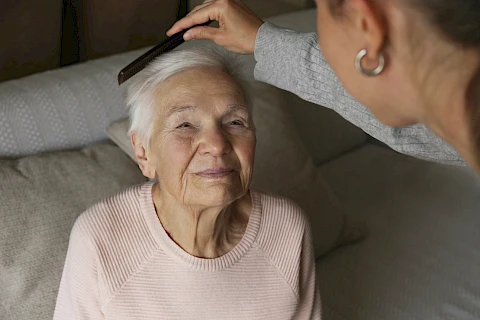
Grooming does more for mental health than most people expect. A clean face, a familiar scent, or a favorite haircut can steady the day for a senior even when other things feel difficult. A short daily ritual often carries a lot of weight. Senior Helpers shares how a routine personal care regimen can uplift the soul.
A Familiar Start Can Brighten the Day
Getting washed and dressed can change a morning. Combing one’s hair, shaving, or choosing a favorite shirt gives the day some structure, especially after illness, reduced mobility, or a stretch of staying home more often. Take it one step at a time.
Care routines do not need much time. Washing the face and choosing clean clothes may be enough for today, and a walk to a San Francisco café or a visit from a friend can feel more inviting after a person has had time to get ready. Keep supplies close. Start with the easiest action. A face cloth at the bedside or a favorite comb by the mirror can make the first step feel familiar on a low-energy morning.
Small Changes Bring Calm to Chaos
Proper grooming can become difficult for practical reasons. Hair that needs washing, a difficult toenail, or trouble standing at the sink may make an act feel like too much effort. Continued difficulty in performing tasks can lead to self-neglect in older adults. This can eventually branch out to more challenging risks if not addressed right away.
Deal with one obstacle at a time. Put needed items in an accessible spot without compromising safety or risks of falling. A seated mirror, electric razor, or long-handled brush can reduce strain. A basket by the sink helps (and saves a search for the nail file). Keep most used items handy and within reach.
Use a non-slip mat underfoot, remove cords from the path, and keep a stable chair nearby if standing gets tiring.
Keep the Routine Comfortable
Use products the person likes. A shower chair or basin of warm water may work better than standing at the sink, and fresh towels, good lighting, and a clear counter remove small barriers. Comfort matters.
Ask before helping with any task. Some people welcome a reminder, and others want privacy. Respect their independence and personal boundaries at all times. A family member can set out supplies, then step back and stay available if requested.
Choose a regular supply day. Replacing soap, toothpaste, blades, and lotion before they run out keeps the routine from stopping over a missing item. Friday works for many homes.
Notice Shift Without Criticism or Ridicule
A sudden drop in interest can mean something changed. Low mood, pain, memory concerns, or mobility trouble may be part of it, and ongoing changes in eating, sleep, or social habits are worth mentioning to a clinician. Use a gentle tone.
Offer an invitation instead of a correction. “Would you like me to set out your sweater and towel?” leaves room for choice, while an at-home barber, hairdresser, or nail professional may help if travel has become difficult. Let the person choose the pace.
Let appearance stay personal. The person may prefer a certain haircut, scent, or outfit, and those choices deserve the same respect as any other daily preference. Ask first.
Senior Helpers Offer Professional Help With Personal Care
We can help with daily routines and care regimens. Contact us to learn about personal care services and in-home senior care that respects a person’s preferences and privacy. We serve senior clients in the San Francisco area and guarantee to follow your elderly loved one’s preferred routines with care.