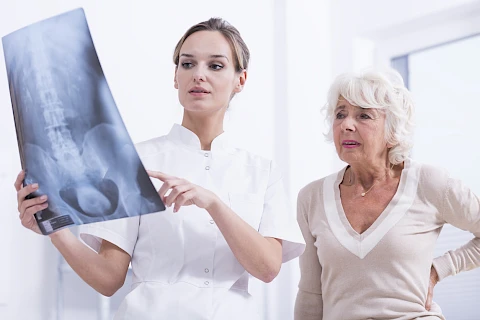
Osteoporosis can develop gradually, and many women don't realize their bones have weakened until a fracture occurs. Knowing what to ask about bone density tests, risk factors, and prevention can make conversations with your doctor more productive. In recognition of World Osteoporosis Day on October 20, Senior Helpers has outlined some questions to help you prepare for your next checkup.
Get Your Health History Ready
Your health history can help your doctor assess your risk of osteoporosis and determine whether you need further testing. Has your mother, father, or another close relative had a hip fracture? Have you ever broken a bone after a minor fall? Have you noticed that you're getting shorter or that your posture has changed? These details may help your doctor assess your risk. You don't need to have all the answers before your appointment.
Ask Whether You Need a Bone Density Test
A bone density scan, also called a DXA scan, uses low-dose X-rays to measure bone density, usually at the hip and spine. The results can help your doctor identify low bone density and assess your risk of fractures. Your age, medical history, and other risk factors help your doctor determine when you should start bone density screening, so ask whether you need a scan now.
Consider discussing your screening schedule with your doctor, including whether you're due for a bone density scan and how often you should repeat it. If you've had a scan before, ask how the results may affect your care. Knowing your bone density can help you and your doctor make informed decisions about prevention and treatment.
Discuss Ways to Prevent Osteoporosis
Your daily habits, diet, exercise routine, and medications may all influence your bone health. Ask your doctor which changes would be most useful for you, especially if you already have low bone density or other risk factors.
Here are some topics worth raising during your appointment:
- How much calcium and vitamin D you need each day, and whether supplements are appropriate.
- Which strength-building and balance exercises are safe for your current fitness level.
- Whether any medications you take could weaken your bones.
- Whether medication to slow bone loss or lower your fracture risk would benefit you.
Your doctor can advise whether you need a supplement or a blood test to check your vitamin D level.
Talk About Preventing Falls
As bones become weaker, a fall that might once have caused a bruise can result in a fracture. Changes in balance, vision problems, and medications that cause dizziness may affect your stability. Your doctor can review these concerns and recommend appropriate next steps.
It's also worth looking around your home for hazards. Loose rugs, poor lighting, cluttered walkways, and slippery bathroom floors can increase your chances of falling. Better lighting, clear paths between rooms, and grab bars in the bathroom can make everyday activities safer.
Get Support with Everyday Activities
Taking care of your bones also means finding practical ways to stay active while reducing your risk of falls. If errands, appointments, or household tasks have become harder to manage, you don't have to handle everything alone. Senior Helpers San Francisco provides in-home care that can include companionship, assistance with errands, and support with everyday activities. If you could benefit from extra support at home, contact us to learn more about available services in San Francisco.