Early Warning Signs of a Stroke: Knowing What to Look for Can Save a Life
Sometimes a stroke happens without warning.
One minute you're having a normal conversation with a loved one. The next, something feels off. Their speech sounds different. One side of their face looks unusual. They seem confused or unsteady.
In moments like these, recognizing the signs quickly can make all the difference.
For families throughout Tempe, Ahwatukee, and the East Valley, understanding the warning signs of a stroke could help save a life and improve the chances of recovery.
The sooner treatment begins, the better the outcome is often for both physical and cognitive recovery.
Remember FAST
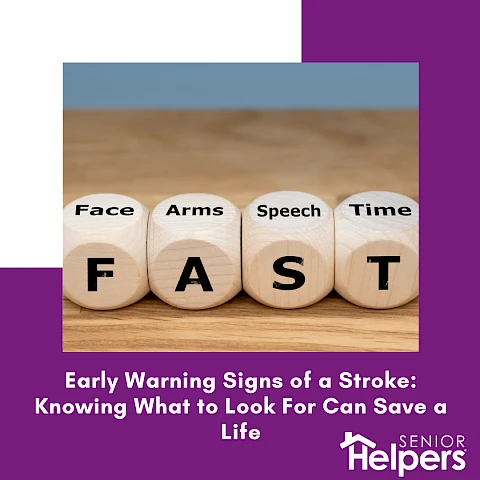
One of the easiest ways to recognize a potential stroke is by remembering the acronym FAST.
F = Face Drooping
Ask the person to smile.
Does one side of their face appear uneven or droop?
Sudden numbness or weakness on one side of the face is one of the most common stroke symptoms.
A = Arm Weakness
Ask the person to raise both arms.
Does one arm drift downward or feel weak?
Weakness or numbness on one side of the body should never be ignored.
S = Speech Difficulty
Listen carefully.
Are they slurring words?
Having difficulty speaking?
Struggling to understand simple questions?
Changes in speech are often one of the earliest signs that something is wrong.
T = Time to Call 911
If you notice any of these symptoms, call emergency services immediately.
Do not wait to see if the symptoms improve.
Every minute matters when it comes to stroke treatment.
Other Stroke Symptoms Families Should Know
While FAST is a helpful tool, strokes can sometimes present with additional symptoms.
Watch for:
• Sudden confusion
• Difficulty understanding conversations
• Loss of balance or coordination
• Dizziness
• Trouble walking
• Sudden vision changes in one or both eyes
• Severe headache with no known cause
If something feels significantly different or unusual, trust your instincts and seek medical attention right away.
What About a "Mini Stroke"?
Sometimes symptoms appear briefly and then disappear.
Many people assume that because the symptoms went away, everything is fine.
Unfortunately, that is not always the case.
A transient ischemic attack (TIA), often called a mini stroke, occurs when blood flow to the brain is temporarily interrupted.
While symptoms may only last a few minutes, a TIA can be an important warning sign that a more serious stroke could occur in the future.
Even if symptoms improve, immediate medical evaluation is still essential.
Why Quick Action Matters
One of the biggest mistakes families make is waiting.
They may think:
"Maybe they're just tired."
"Let's see if it gets better."
"Maybe it's nothing."
But when it comes to strokes, time matters.
Quick treatment can reduce long term damage and significantly improve recovery outcomes.
When in doubt, it is always better to seek medical attention than to wait.
Supporting a Loved One After a Stroke
For many families, the journey does not end after the hospital stay.
Recovery often requires therapy, lifestyle adjustments, and ongoing support at home.
Simple daily tasks like preparing meals, bathing, getting dressed, attending appointments, or moving safely around the home may become more challenging during recovery.
That is where personalized in home care can help.
At Senior Helpers, we support families throughout Tempe, Ahwatukee, and the East Valley with compassionate in home care services designed to promote safety, independence, and peace of mind.
Our Companion Care and Personal Care services can provide support with daily routines, mobility assistance, meal preparation, transportation, and caregiver relief while a loved one focuses on recovery.
You Do Not Have to Navigate Recovery Alone
Recognizing the signs of a stroke is one of the most important ways families can protect the people they love.
And if recovery becomes part of the journey, having the right support can make all the difference.
If your loved one is recovering from a stroke and you're wondering what options may help them remain safe and comfortable at home, we're always here to talk things through.
Schedule a free in home care assessment today.
No pressure, just support.