Bladder issues are common among seniors, but with the right care, many problems can be managed or prevented. Our goal today is to provide seniors and their caregivers with practical advice on caring for bladder health. A healthy bladder can significantly improve the quality of life, making it a crucial component of overall well-being. By taking these proactive steps, seniors can maintain their independence and enjoy a more comfortable lifestyle.
1. Know the Basics of Bladder Health
Bladder health is often a concern for seniors due to age-related changes in the urinary system. These changes can lead to common issues such as incontinence, urinary tract infections, and an overactive bladder. Understanding and maintaining bladder health is vital in preventing these conditions from worsening or affecting daily life.
2. Recognize Potential Issues
Being aware of potential bladder problems allows for early intervention. Common signs include frequent urination, pain or burning during urination, cloudy or strong-smelling urine, and urine leakage. Address these symptoms with a healthcare provider as soon as you can. Early detection can prevent more serious issues and improve management strategies.
3. Stay Hydrated
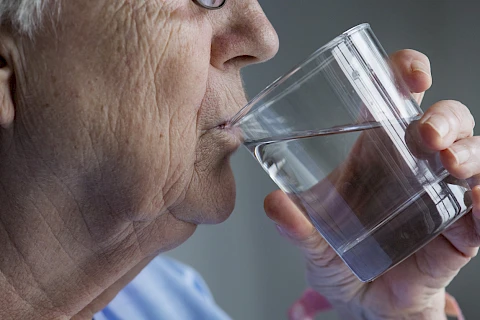
One of the simplest, yet most effective ways to support bladder health is to stay hydrated. A common misconception is that reducing fluid intake can help with incontinence. In reality, consuming enough water is crucial for bladder function and general health. Adequate hydration helps flush out toxins and reduce the risk of infections.
Seniors are often advised to drink about eight cups of water a day, but this can vary depending on individual health needs. Avoid excessive caffeine and alcohol, as they can irritate the bladder.
4. Practice Pelvic Floor Exercises
Pelvic floor exercises, also known as Kegel exercises, are excellent for improving bladder control. They strengthen the pelvic muscles that support the bladder and urethra, potentially reducing incontinence.
Seniors can perform these exercises by squeezing and lifting the muscles used to stop urine flow. Aim to hold the contraction for a few seconds, then relax, repeating this process ten times in a session. Consistency is key, so try to make these exercises part of a daily routine. Be patient and keep at it, as noticeable improvements may take a few weeks.
Consult with your healthcare professional before you begin pelvic floor exercises. They can help you avoid injury and find the technique that's best for your specific needs.
5. Make Healthy Choices
Lifestyle changes can make or break bladder health. Consider these insights as you make decisions about your well-being.
- A balanced diet high in fiber can prevent constipation, which, in turn, reduces bladder pressure.
- Staying active is also necessary, as regular physical activity helps maintain a healthy weight and reduces bladder strain.
- Managing weight can relieve pressure on the bladder and improve symptoms of incontinence.
- Reduce stress through techniques such as deep breathing, yoga, or meditation, as stress can exacerbate bladder issues.
How Can Senior Helpers Make a Difference?
In sum, maintaining bladder health is a fundamental aspect of aging well. By following these tips, seniors can take significant steps towards better bladder health.
Do you need reminders to drink water and do your Kegels? You could use a hand in the kitchen preparing nutritious meals. We're here to support seniors living in the greater Maricopa County area, including Tempe, Ahwatukee, Mesa, Chandler, and Gilbert. Contact us at Senior Helpers Tempe today to learn about your in-home care options.