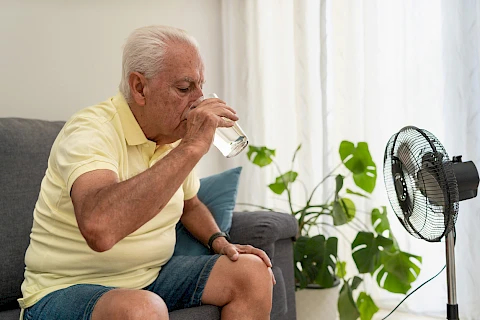
Wisconsin summers can surprise people who think the state is purely a cold-weather territory. Waukesha County sees stretches of genuine heat and humidity between June and August. For seniors whose bodies regulate temperature less efficiently than they once did, a hot home is a real health risk. Getting the house ready before the heat arrives is essential.
Checking the Air Conditioning Before You Need It
The worst time to discover the air conditioner isn't working is the first hot day of summer. Schedule a service check in late spring. A technician can clean the coils, check refrigerant levels, and verify that the system is cycling properly. Replace the air filter if it hasn't been done in the past three months, since a clogged filter drives up energy bills and reduces efficiency.
For seniors whose central air conditioning is aging or unreliable, a portable or window unit in the bedroom is a reasonable backup. Keeping one room cool gives the body a place to recover on very hot nights.
Creating Cool Spaces Throughout the Home
Keep your senior loved one’s home safe and comfortable this summer. Ceiling fans and portable fans don't lower air temperature, but they increase airflow and make the room feel meaningfully cooler by wicking moisture from the skin. Set ceiling fans to rotate counterclockwise in summer so the blades push air downward.
Blocking out direct sunlight significantly reduces indoor temperature. Closing blinds on south- and west-facing windows between noon and 4 p.m. is a free and effective step families can take. Ground-floor rooms also tend to be cooler than upper floors, so consider moving a senior's daytime space downstairs during the warmest months.
Heat Safety Measures for Seniors
Older adults are at higher risk for heat-related illness because the body's ability to regulate core temperature declines with age. Know how heat affects health. Several medications commonly used among seniors, including diuretics, beta-blockers, and some antihistamines, can also impair the body's heat-regulation response.
Watch for warning signs: heavy sweating, weakness, cool or pale skin, or nausea may indicate heat exhaustion. Hot, dry skin, confusion, and a rapid pulse can signal heat stroke, which requires emergency care.
Encourage your loved one to drink water consistently throughout the day. The sensation of thirst diminishes with age, so proactive hydration matters.
Medication Storage in Hot Weather
Many medications are sensitive to heat and should be stored away from steamy bathrooms and hot cars. A kitchen cabinet away from the stove or a bedroom dresser drawer works well. If a power outage occurs during a heatwave, refrigerated medications like insulin need a backup plan.
Emergency Preparedness for Extreme Heat
Have a plan for extreme heat events. Identify the nearest cooling center, typically a library, community center, or mall, and make sure transportation is arranged if needed. Keep a list of contacts who will check in during heat alerts: a neighbor, a family member, a caregiver. Programs through Waukesha County social services can sometimes arrange wellness calls during dangerous heat.
Keep Your Loved One Cool and Safe This Summer
A little preparation now prevents a lot of worry in July and August. Senior Helpers Waukesha helps families in Delafield, Elm Grove, New Berlin, North Prairie, and Waukesha keep senior loved ones safe and comfortable through every season. Contact us to learn how our personalized in-home care services can support your senior loved one this summer.