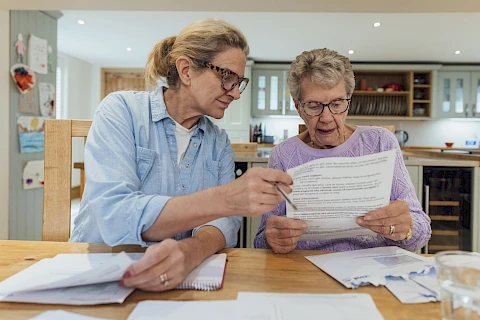
Utility bills can become a significant concern for seniors, especially those living on fixed incomes. Seasonal changes often bring shifts in heating, cooling, and lighting needs, which can cause monthly expenses to rise. For caregivers, understanding how utility bills are structured and exploring practical ways to reduce costs helps ensure seniors remain comfortable while keeping household budgets under control.
What You Need to Know About Utility Bills
Utility bills often feel overwhelming, filled with numbers and jargon. To tackle these costs effectively, you must understand what you're paying for. Common charges include electricity, gas, water, and sometimes waste services. As fall sets in, electricity and gas usage typically increase due to heating needs and reduced daylight. This seasonal shift means seniors might notice higher costs, particularly in heating bills. Understanding these charges helps caregivers spot unusual spikes in usage, which might indicate problems like leaks or inefficiency.
Tips for Reducing Utility Usage
Reducing utility usage doesn't mean sacrificing comfort. Simple, energy-efficient practices can significantly cut costs. For heating, keep the thermostat at a consistent temperature; experts recommend around 68 degrees Fahrenheit during the day. At night, consider turning it down slightly and using extra blankets.
Regular maintenance and weatherproofing are also critical. Ensure that heating systems are serviced annually to work effectively. Drafty windows and doors should be sealed with weather stripping or caulking to keep the warm air in and the cold air out. Using energy-efficient light bulbs and turning off lights in unoccupied rooms can reduce electricity consumption.
Incorporating smart technology can further aid energy management. Smart thermostats adjust the temperature automatically based on the time of day and occupancy, providing convenience and cost savings. Motion sensor lights help reduce unnecessary electricity usage by ensuring lights are only on when needed.
Assistance Programs for Seniors
Assistance programs are available both locally and nationally for seniors facing financial difficulty. These programs provide financial aid or discounts to help manage utility costs. The Low Income Home Energy Assistance Program (LIHEAP) is a federal program offering assistance to eligible individuals. Wisconsin's Home Energy Plus also provides aid to low-income households.
To qualify for these programs, seniors must meet specific income requirements. Applying usually involves submitting proof of income and utility bills. Local community centers and senior organizations can offer guidance and help with the application process. Moreover, contacting utility companies directly can uncover additional resources or payment plans you might not know about.
Supporting Seniors in Managing Utility Costs
Senior Helpers Waukesha can assist by monitoring household routines, encouraging energy-conscious habits, and helping seniors apply for utility assistance programs when needed. For families in Brookfield, Butler, Delafield, Elm Grove, and Waukesha, we offer support beyond household management, such as Personal Care and Companion Care services, providing solutions tailored to each senior’s needs. Thoughtful planning today creates greater peace of mind and stability as the seasons change. Contact us to learn how personalized in-home care can make daily life safer, more comfortable, and more affordable for the senior you love.