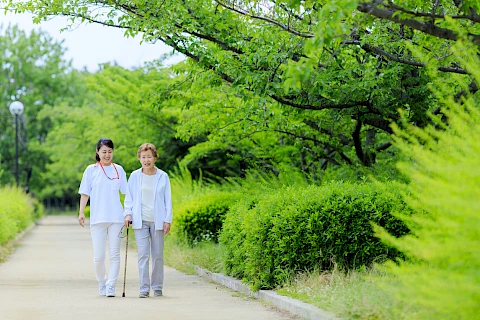
As our loved ones age, they may face various health challenges. One of these is Osteoporosis, a condition that weakens bones. Providing the right help can make all the difference when caring for someone with this condition. Here are some practical tips for managing osteoporosis, tailored especially for caregivers.
Osteoporosis: What You Need to Know
Osteoporosis occurs when bone density decreases, increasing the risk of fractures. Several factors can contribute to this condition, including age, gender (women are more at risk), family history, and lifestyle choices such as smoking and alcohol use. You might notice symptoms like back pain, a stooped posture, or unexpected fractures. Early detection through regular check-ups is vital, as it can lead to more effective management and reduce the risk of severe injuries.
Prevention Strategies
While osteoporosis isn't entirely preventable, specific lifestyle changes can significantly reduce the risk. Encourage your loved one to quit smoking and limit alcohol consumption. Regular bone density tests can also help monitor bone health and catch any issues early. Medications and supplements, such as calcium and vitamin D, are critical in maintaining bone strength. Always consult a healthcare provider before starting any new medication or supplement.
Safe Exercise Recommendations
Exercise is enormously beneficial for those with osteoporosis. It helps maintain bone density, enhances balance, and improves overall health. Focus on weight-bearing exercises like walking, low-impact aerobics, and dancing, which help strengthen bones. Strength training can build muscle and support bone health, while balance exercises, like tai chi or yoga, can prevent falls. When creating a routine, consult a healthcare provider or physical therapist to ensure it's safe and suitable for your loved one's capabilities.
Dietary Needs for Bone Health
A balanced diet is essential in managing osteoporosis. Key nutrients for bone health include calcium, vitamin D, and protein. Encourage consuming dairy products, leafy greens, and fortified foods for calcium. Safe sun exposure and foods like fatty fish or fortified cereals can boost vitamin D levels. Don't forget the role of protein, found in meat, beans, and nuts, in maintaining bone health. Staying hydrated and following a balanced diet further support overall well-being.
Fall Prevention Tips
Identify and mitigate fall risks. Poor lighting, loose rugs, and cluttered spaces can all be dangerous. Simple home modifications like installing grab bars in the bathroom, removing tripping hazards, and ensuring adequate lighting can lower this risk. Encourage the use of assistive devices, such as canes or walkers, and promote the wearing of sturdy, non-slip footwear for extra stability.
Supporting Seniors With Limited Mobility
Caring for someone with limited mobility requires patience and creativity. Assist with daily activities, but encourage as much independence as possible, like using adaptive tools for eating or dressing. Emotional and social support is just as valuable; keep your loved one engaged with family and friends and involved in community events or hobbies. Remember, maintaining a sense of autonomy is essential for their confidence and quality of life.
Stay Healthy and Safe With Senior Helpers
Effectively managing osteoporosis in seniors involves a thoughtful approach to prevention, exercise, nutrition, and safety. These strategies help manage the condition and enhance your loved one's quality of life.
For personalized assistance with meal planning and personal care, contact us at Senior Helpers Waukesha. We support seniors in Brookfield, Butler, Elm Grove, New Berlin, and the North Prairie areas.