Taking care of seniors involves many responsibilities. One of the most important is ensuring they're prepared for emergencies. Seniors might be more vulnerable, so a solid crisis plan is critical. We'll walk you through the steps necessary to protect the seniors in your care, covering essential supplies, evacuation procedures, and how to handle medical needs during emergencies. We'll also offer tips on staying informed and maintaining communication when the unexpected happens.
Emergency Supplies for Seniors
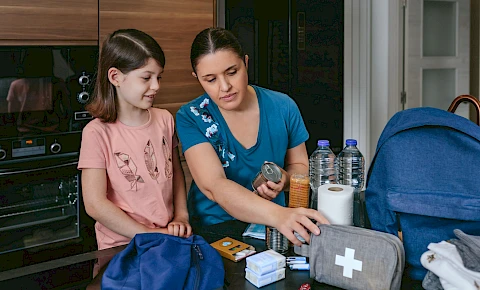
Being prepared starts with having the right supplies. A well-stocked emergency kit is your first line of defense. Ensure you have basic items like water, non-perishable food, a flashlight, batteries, a radio, blankets, a safe heat source, and a first aid kit. For seniors, you'll need to add specific items such as extra medications, mobility aids, and copies of important documents.
Check expiration dates regularly and replace any expired items. It's also wise to revisit the kit every few months, particularly as seasons change, to meet the current needs; what you set by in summer may be vastly different than your winter emergency gear.
Evacuation Procedures
In some emergencies, staying put isn't safe, and you'll need to evacuate. Plan your evacuation routes and potential destinations. Know the safest and quickest roads to take if you need to get to a safer location quickly. Consider transportation options for seniors, such as a wheelchair-accessible vehicle or arranging specialized transport services. Check the American Red Cross Wisconsin Region website for emergency advisories, including shelter locations.
Handling Medical Needs During Emergencies
Medical needs don't pause for crises, so being prepared is necessary. Keep medical information easily accessible. Include details about medical conditions, current treatments, and doctor contact information—store copies digitally and in your emergency kit.
Managing medications is critical. Ensure you always have an extra supply on hand. The same goes for medical equipment like oxygen tanks or hearing aids. Communicating with healthcare providers during an emergency can provide additional guidance suited to the specific health needs of the seniors in your care.
Staying Informed During a Crisis
Information is power during an emergency. Stay updated by following local news channels and signing up for alerts that can inform you about road closures, weather changes, and more. This real-time information can be vital in making quick, informed decisions.
Effective Communication in Emergencies
Communication is mandatory, even when phones might not work or lines are down. Build a communication network involving family, neighbors, and local authorities. Ensure seniors can access devices like cell phones or alert systems and know how to use them effectively when required.
Practicing these communication strategies through regular drills ensures everyone is comfortable with the process. This preparation can make a significant difference when every second counts.
Stay Safe With Senior Helpers
Emergency preparedness for seniors is about planning and staying informed. A little preparation can go a long way in ensuring safety and peace of mind. Remember to maintain your emergency supplies, stay informed, and practice communication plans.
Does your senior loved one need assistance with safety and well-being at home? Contact us at Senior Helpers Waukesha for personalized care. We're ready to support seniors and their families in Elm Grove, New Berlin, North Prairie, Pewaukee, and Wales. Stay safe and be prepared!