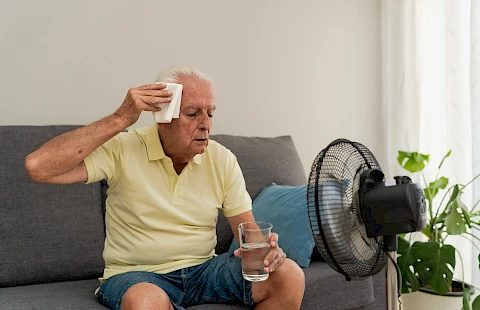
Wisconsin summers can turn muggy fast, and older adults are more vulnerable to heat than most people realize, partly because the body's ability to regulate temperature changes with age. If you're caring for a loved one and notice signs of overheating in seniors, knowing what to do in the first few minutes can make a real difference.
Recognize the Early Warning Signs of Overheating in Seniors
Heat exhaustion often starts subtly, affecting a senior's thinking and behavior before obvious physical symptoms appear. If your loved one seems unusually tired after spending time outdoors, do not assume it is just a bad mood. Watch for these common indicators of heat-related illness:
- Skin Changes: Look for flushed or unusually pale skin, as well as heavy sweating or a sudden cessation of sweating.
- Physical Symptoms: Muscle cramps, dizziness, and a rapid pulse are key physical warning signs.
- Cognitive Shifts: Unexplained confusion or sudden irritability can strongly indicate heat stress.
Act Quickly and Calmly
Say you already notice these signs, how do you take action? Take a deep breath and start here:
- Relocate Immediately: Move your loved one to a cooler, shaded, or air-conditioned space.
- Encourage Rest: Have them sit or lie down to stop whatever activity they were doing.
- Cool the Body: Loosen or remove excess clothing and apply a cool, damp cloth to their neck, wrists, and forehead.
- Hydrate Safely: Offer small sips of water if they are alert and able to swallow safely. Do not force fluids if they seem confused or are struggling to drink.
- Increase Airflow: Use a fan or another source of moving air to speed up cooling. For faster results, lightly mist their skin with a spray bottle while fanning.
Know When to Get Medical Help
Home cooling measures are not always enough to reverse the effects of overheating in seniors. If you suspect your loved one's condition is worsening into heat stroke, then seek immediate emergency medical attention. Always prioritize safety and seek professional help if uncertain; be aware of these severe warning signs:
- A body temperature above 103 degrees
- Persistent confusion that does not clear up
- Fainting or loss of consciousness
- Hot, dry skin with a complete lack of sweating
The CDC's guidance on heat-related illness is a helpful resource to review before summer activities ramp up, so you know the warning signs before you need them.
Prevention Matters As Much As Response
To prevent overheating in seniors, suggest planning outdoor activities in Cedarburg, Mequon, or Sussex for cooler mornings or evenings instead of midday. Keep water within easy reach throughout the day, not just during activity. Gently remind them to drink regularly, as thirst isn’t always a reliable signal for older adults. Opt for light-colored, loose clothing and a hat, which makes a bigger difference than people expect.
Staying Ready Before the Heat Hits
A little preparation now means you'll know exactly what to do if the temperature spikes and your loved one starts to struggle.
Senior Helpers of Menomonee Falls supports families throughout Menomonee Falls, Slinger, Ozaukee, and Grafton with care that helps older adults stay safe during the summer heat. Contact us to learn more about our in-home support options.