Living with Parkinson's disease can be challenging, especially when it comes to maintaining independence in daily activities. Parkinson's is a degenerative disorder that affects movement and can lead to tremors, stiffness, and balance problems. For seniors, these symptoms can make everyday tasks difficult. However, maintaining independence is critical for their well-being and self-esteem. Caregivers and seniors must find ways to navigate daily challenges effectively, empowering both parties to support independence while ensuring safety and comfort.
Parkinson's and Daily Challenges
Parkinson's disease commonly affects a senior's ability to perform everyday activities due to its symptoms. These symptoms include tremors, rigidity, and slowness of movement, which can make tasks like eating, dressing, and moving around more complicated. Beyond the physical challenges, seniors with Parkinson's may also face emotional hurdles such as frustration and anxiety. Understanding these challenges is the first step towards creating positive strategies for daily living.
Adaptive Strategies for Daily Living
Creating a routine can be incredibly beneficial for seniors with Parkinson's. Regular schedules help simplify tasks and reduce stress. For individuals experiencing tremors and rigidity, specific techniques can help manage these symptoms. For instance, using weighted utensils can help with eating, and practicing yoga can increase flexibility and reduce stiffness. Encouraging seniors to remain physically active is ideal, as it can enhance mobility and slow symptom progression. Simple exercises such as walking or stretching can make a significant difference. Just be sure they're cleared with their doctor.
Assistive Devices to Enhance Independence
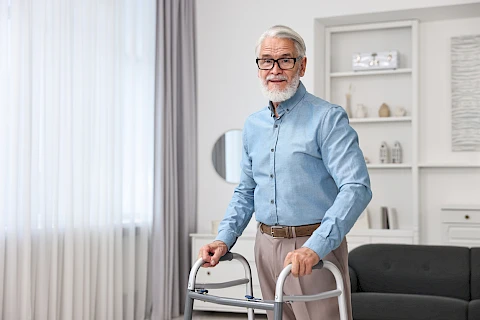
Assistive devices can greatly enhance a senior's independence. There are numerous options available, such as special utensils designed for easy gripping, walkers for stability, and dressing aids to help with buttons and zippers. Choosing the right devices depends on individual needs and should be a collaborative process between the senior and caregiver. Integrating these devices into daily routines can seem challenging at first, but with patience and practice, they can become a seamless part of life, offering seniors greater independence in performing tasks.
Home Modifications for Safety and Accessibility
Creating a safe living environment is paramount for seniors with Parkinson's. Home modifications can significantly reduce the risk of falls and make daily activities more accessible. Key modifications include installing grab bars in bathrooms, using non-slip mats or flooring, and ensuring good lighting throughout the home. While safety is essential, it's imperative to balance these modifications with the seniors' comfort and preferences, making sure they feel at home in their own space.
Balancing Support With Autonomy
Find the right balance between providing support and encouraging autonomy. Caregivers should focus on enabling seniors to do as much as they can on their own while being ready to offer assistance when needed. Communication is necessary; talking openly about needs and preferences can help create an environment of trust and cooperation. Setting realistic goals and celebrating achievements, no matter how small, can boost confidence and motivation for both the senior and the caregiver.
Help Senior Loved Ones Be Comfortable and Independent
Empowering seniors with Parkinson's to maintain independence in their daily lives is a journey that requires patience, understanding, and creativity. Support your loved ones by implementing adaptive strategies, utilizing assistive devices, making necessary home modifications, and balancing support with autonomy. Remember that professional support is always available, and reaching out for help can provide additional resources and guidance.
For personalized assistance in Waupun, Beaver Dam, Oconomowoc, Watertown, and Fort Atkinson,contact us at Senior Helpers Lake Country. Together, we can make a positive difference in the lives of those affected by Parkinson's.