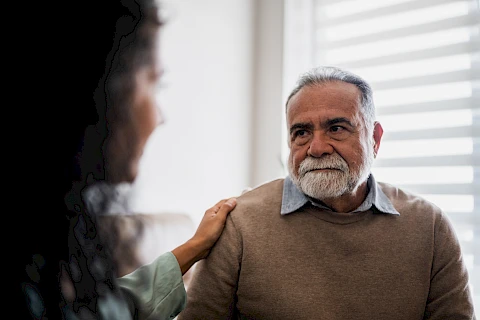
Many senior veterans in Milwaukee carry memories of service that don't fade with time. For some, those memories have grown heavier with the years. They show up as nightmares, hypervigilance, or a persistent sense of unease that feels hard to name.
If any of that sounds familiar, you're not imagining it, and you're not alone. Seeking senior veteran PTSD support and talking to a doctor can feel like crossing a line you were never supposed to cross. But it is a brave and sensible thing to do to get the right support.
Why So Many Veterans Wait
The hesitation to bring up PTSD with a doctor is real and understandable. Generations of military culture valued self-reliance and stoicism, and those values don't disappear once a uniform is retired. There's also a persistent concern that a diagnosis might change how family members, friends, or fellow veterans see you.
What's worth knowing is that PTSD in older adults often looks different from what's portrayed in movies. Symptoms can include difficulty sleeping, trouble concentrating, emotional numbness, irritability, or avoiding places and people that trigger difficult memories.
Research from the U.S. The Department of Veterans Affairs notes that symptoms can intensify in later life, particularly around retirement or the loss of a spouse. Recognizing these patterns as PTSD is a first step, not a final verdict.
Resources if You’re Not Ready to Start With Your Primary Care Doctor
You don't have to begin the conversation in your family doctor's office. Several options exist for veterans seeking senior veteran PTSD support before taking that step.
- Veterans Crisis Line: Veterans can call 988 and press 1 to reach trained counselors any time of the day. Chat and text options are also available at VeteransCrisisLine.net
- Vet Centers: Community-based counseling centers that are separate from VA hospitals and serve veterans in an informal setting. Many older veterans find it easier to walk into. You can locate a Vet Center near Milwaukee at VA.gov's facility finder
- Private therapists familiar with military culture: A trauma specialist offers a safe, confidential space for a first conversation. Your primary care provider won't be involved unless you choose to include them.
Talking Points to Bring Into the Appointment
When you do feel ready to speak with a doctor, having a few phrases in mind can make it easier to get started. You don't need clinical language. Something as simple as "I've been having trouble sleeping and some memories I can't shake" opens the door.
From there, it helps to mention how long you've had these symptoms and if they've gotten worse. Explain how they affect your daily life, such as driving, socializing, or keeping up at home.
A provider who works with veterans will recognize what you're describing. If yours doesn't take it seriously, you have every right to ask for a referral to someone who specializes in veteran mental health.
Making Room for Healing in Milwaukee
Reaching out for senior veteran PTSD support is a sign of wisdom built from years of lived experience.
Senior Helpers of Greater Milwaukee works with veterans and their families across the Milwaukee area. They focus on helping them maintain routines and stay connected to the community during the years that matter most. If your household could benefit from compassionate in-home care, contact us to talk about how we can help.