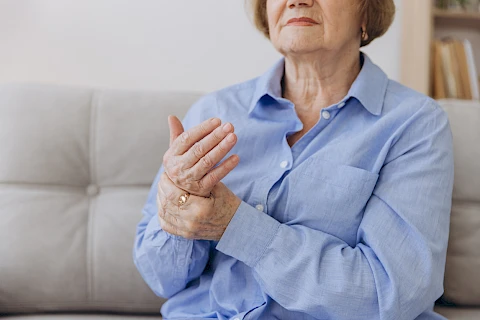
Parkinson's disease is a progressive disorder affecting the nervous system, causing a range of symptoms that can affect daily life. Senior women may experience symptoms differently from men. Recognizing these signs early helps with effective management and treatment.
Recognizing Parkinson's in Women
While Parkinson's is more commonly diagnosed in men, women have their own set of symptoms and challenges. In women, indications might be less pronounced or attributed to aging or other conditions.
This can lead to misdiagnosis or delayed treatment. Recognizing these differences and maintaining gender-specific awareness will help guarantee timely and appropriate care.
Motor Symptoms to Watch For
Motor symptoms are commonly associated with Parkinson's, but they can manifest uniquely in each individual:
- Tremors: These usually start in the hands or fingers and can appear as a pill-rolling motion. While they are a hallmark of Parkinson's, some women may experience less visible tremors.
- Muscle Stiffness: Rigidity in muscles can occur, limiting the range of motion and causing discomfort.
- Bradykinesia: Slowness of movement can make simple tasks challenging and increase the risk of falls.
- Postural Instability: Balance issues can lead to frequent falls, which are particularly concerning for older women.
Non-Motor Symptoms in Women
Parkinson's disease affects many other aspects of health that can be particularly significant in older women. Cognitive changes such as memory issues and slower thinking often appear early in the disease progression. These signs are frequently dismissed as normal aging, which can delay proper diagnosis and treatment.
Parkinson’s symptoms in senior women can also affect emotional and mental health. Depression and anxiety are common and can significantly diminish quality of life.
Sleep problems represent another major challenge. Women with Parkinson's may experience difficulty falling or staying asleep, restless leg syndrome, or paradoxically, excessive daytime sleepiness.
Physical discomfort can manifest in unexpected ways. Many women report pain or discomfort. particularly in the neck and shoulders, that occurs even without obvious movement problems. This pain may not respond to typical pain management approaches, serving as another potential indicator of the disease.
The Need for Specialist Evaluation
Specialists provide an accurate diagnosis, carefully distinguishing Parkinson's from similar conditions that may present with overlapping symptoms. Early treatment options become available through specialist care, potentially slowing disease progression and managing indications more effectively.
Advocating for Proper Diagnosis
As a caregiver, advocating for your loved one's health through effective communication with healthcare providers is essential. If a diagnosis remains unclear or you have concerns about the assessment, seek second opinions from other specialists who may offer different perspectives or expertise.
Practical Observation Tips for Caregivers
Successful caregiving involves attentive monitoring and effective communication. Daily monitoring through a symptom journal helps track disease progression. It also helps identify patterns that might otherwise go unnoticed.
Encouraging open communication creates a supportive environment. It allows the older woman to feel comfortable discussing her signs and concerns honestly.
Senior Helpers Spokane is Here to Help
Recognizing Parkinson’s symptoms in senior women early is essential for timely intervention and effective management.
If you reside in or are in contact with Senior Helpers Spokane, Spokane, Coeur d'Alene, Post Falls, Sandpoint, or Moscow and seek support for the care of your senior family member, contact us at Senior Helpers Spokane. We're here to help loved ones and their caregivers with services, such as Parkinson's care and respite care.