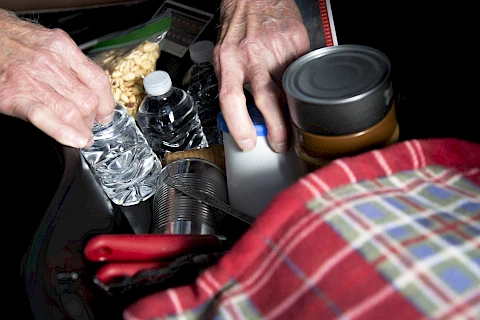
Winter storms can bring strong winds, fallen branches, and power outages that leave homes without electricity for a day or longer. Snow and icy roads can also make travel difficult and delay access to help. For our loved ones living alone, a winter emergency kit for seniors can provide essential supplies until assistance arrives.
Planning for the Storms Seattle Gets
Emergency preparations should reflect the weather conditions seniors are most likely to face. Storms can disrupt electricity, while icy roads may make trips to the store unsafe or difficult for seniors.
A winter emergency kit for seniors should include reliable lighting, warm clothing, no-cook food, and a way to stay connected with family or emergency services. Ready.gov's power outage page explains how to prepare for outages and stay safe until power returns. Reviewing these steps ahead of time can help seniors feel more prepared.
What Goes in the Bin
A sturdy, lidded plastic tub makes a good storage container when preparing a winter emergency kit for seniors. Label it WINTER and store it somewhere easy to reach, such as a hall closet. Pack enough supplies to last several days at home.
Start with bottled water and shelf-stable foods that seniors enjoy. This may include tuna packets, oatmeal cups that can be prepared with room-temperature water, nut butter, and applesauce. Include a manual can opener, LED flashlights or lanterns with extra batteries, and a battery-powered or hand-crank radio for emergency updates.
Add a fleece blanket, a warm hat, gloves, and thick wool socks. These can help seniors stay comfortable if the heating system stops working.
The Medical and Personal Layer
Each winter emergency kit for seniors should account for the person's individual health and daily needs. Keep a written list of medications, doctors, and allergies in a zip-top bag, along with copies of insurance cards and photo ID. Seniors or their caregivers should ask a pharmacist or doctor about keeping a small extra supply of daily medications and whether any require refrigeration during a power outage.
For seniors who use oxygen, a powered lift chair, or other electric medical equipment, caregivers should contact the equipment supplier and doctor to arrange a backup plan. Anyone checking on an older adult should also know the warning signs of hypothermia. The National Institute on Aging explains these symptoms and why older adults may have more difficulty staying warm.
Include a few additional essentials, such as spare glasses, hearing aid batteries, and a fully charged power bank.
Who Checks In, and When
A reliable support system is an important part of winter emergency planning for seniors. Families should assign someone to call when a wind advisory is issued and agree on a clear response deadline. For example, if a senior does not answer by 10 a.m., a family member can visit or ask a neighbor to check on them. Keep a written list of names and phone numbers somewhere easy to find, such as inside a hall closet door near the emergency supply bin.
Carbon monoxide safety also needs attention. Keep generators, grills, and camp stoves outside at all times to prevent dangerous fumes from building up indoors. Make sure a working carbon monoxide alarm is installed on every floor.
Let Us Assist in Preparing a Winter Emergency Kit for Seniors
After a windstorm, checking on a senior and picking up groceries can help ease their worries. Senior Helpers North Seattle supports seniors across Seattle by helping with errands, restocking emergency supplies, and providing companionship during power outages. Contact us to learn more about our senior care services.