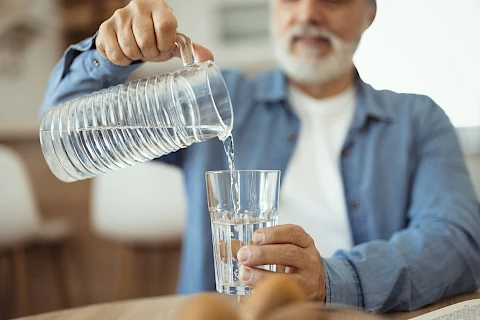
Staying hydrated is a must for everyone, but especially for seniors. Proper hydration helps maintain body functions, supports heart health, and boosts energy levels. For caregivers, ensuring that seniors get enough fluids can be challenging. Issues like a decreased sense of thirst or mobility problems often make it harder for seniors to drink enough. This article will outline how caregivers can support seniors in meeting their hydration goals.
Hydration Needs in Seniors
As we age, our bodies undergo changes that affect hydration. Seniors tend to have a lower water content in their bodies. Additionally, their sense of thirst diminishes, which means they might not feel thirsty even when their bodies need fluids.
It is recommended that seniors consume about 1.7 liters (or about 7 cups) of fluids daily. This intake can vary based on physical activity and health conditions, but it's a good general guide for caregivers.
Recognizing Signs of Dehydration
Dehydration in seniors can happen quickly and have serious consequences. Common symptoms include:
- Dry mouth
- Fatigue
- Dizziness
- Confusion
- Dark-colored urine
Understanding these symptoms helps caregivers act quickly to increase fluid intake before more severe health issues, such as urinary tract infections, kidney problems, or heat stroke, arise.
Encouraging Fluid Intake
Boosting fluid intake doesn't have to be difficult. Caregivers can offer small amounts of fluids regularly throughout the day and encourage drinking a glass of water with every meal and snack. Keeping a hydration schedule can make drinking fluids a regular habit. Using flavored waters or herbal teas can also help make drinking more appealing. Sometimes, getting creative involves using different types of cups or straws or tracking daily progress with a chart to provide a sense of achievement.
Incorporating Hydrating Foods
Fluids are not the only way to stay hydrated; many foods also have high water content. Foods like watermelon, cucumbers, oranges, and soups can increase daily fluid intake. Including these foods in meals can be both hydrating and nutritious. For example, a fresh fruit salad or a cool cucumber salad can be an excellent way to add fluids and nutrients to a senior's diet.
Strategies for Overcoming Hydration Challenges
Seniors often face unique challenges that make staying hydrated difficult. Mobility issues might prevent them from reaching for a glass of water, and cognitive impairments like dementia can lead them to forget to drink. Solutions to these problems include keeping water within easy reach and using clear, visible reminders like notes or alarms. Thickened liquids are an option for seniors with trouble swallowing but may require consultation with healthcare providers to ensure safety.
Find Compassionate Care Services in Arlington-Alexandria, VA
Staying vigilant about hydration is a key responsibility for caregivers. Recognizing the signs of dehydration, promoting regular fluid intake, and incorporating hydrating foods are effective ways to ensure seniors remain healthy and active. If you're in the Arlington, Alexandria, Falls Church, or Fairfax County areas and need professional support with senior care, contact us at Senior Helpers Arlington-Alexandria, VA.