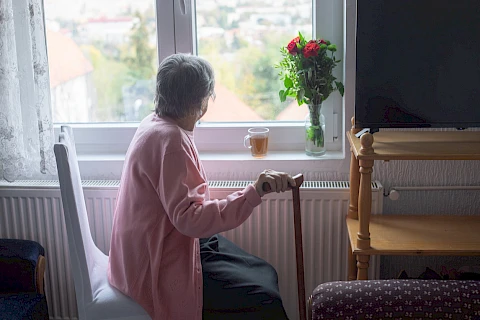
Winter can make it harder for seniors to stay socially active. Snowy roads can keep seniors from visiting friends, canceled gatherings can disrupt weekly routines, and long afternoons at home may feel lonely. These changes may happen gradually without anyone noticing. Recognizing the early signs of social isolation in seniors can help families and caregivers take steps to keep loved ones connected before loneliness becomes harder to manage.
Clues in Seniors' Weekly Routine
Changes in daily habits can be the first sign of social isolation in seniors.
A senior who once met friends for breakfast every Thursday may stop attending regular outings. Phone calls may go unanswered more often, or grocery deliveries may replace trips to the store. Each change may seem reasonable on its own, but together, they can lead to days without meaningful conversation.
Families and caregivers may overlook these gradual changes because no single habit seems concerning. Over time, however, fewer outings and less contact with others can leave seniors feeling increasingly disconnected.
Clues in How Seniors Feel
Emotional changes can also signal social isolation in seniors. Some may feel restless without knowing why or become anxious before social activities they once enjoyed. Others may lose interest in getting dressed or going out because their usual activities no longer seem appealing.
Irritability can be another sign. Grief, loneliness, or medication side effects may contribute to these feelings. Seniors should discuss ongoing mood changes with their doctor, especially if the feelings last more than a couple of weeks. They can bring up these concerns at their next checkup or contact the doctor's office sooner if needed.
Clues in Their Surroundings
Seniors' home environment can offer clues about social isolation. Mail may pile up on the guest chair, the kitchen table may go unused for visits, and the photos on the fridge may bring back memories of years past.
A quiet home can sometimes reflect fewer social visits and less contact with others. Recognizing these changes may feel uncomfortable, but it can also help seniors and their families identify simple ways to bring more connection into daily life.
Getting Back in Touch
The National Institute on Aging's tips for staying connected explain common risk factors for social isolation in seniors, including hearing difficulties and limited transportation. The resource also offers practical ways to stay in touch. Seniors can choose one suggestion and add it to their calendar, noting the day and time to make the plan easier to follow.
A regular activity can provide a sense of purpose and social contact. Volunteer work gives seniors a reason to leave home, meet others, and contribute to their communities. Opportunities may include reading to children, sorting food donations, or helping at a local nonprofit. AmeriCorps Seniors connects adults aged 55 and older with volunteer roles. A regular shift can become a meaningful part of the week and create opportunities to form friendships.
Reaching out to an old friend is another simple step. Seniors can call someone they have not spoken with recently, even if the first few minutes feel awkward. A short conversation can renew a connection and make future contact feel more natural.
We Offer Companionship Services for Your Senior Loved Ones
Senior Helpers The Wasatch Mountain offers companionship, conversation, transportation for outings, assistance with daily tasks, and light housekeeping to help seniors stay active and connected. Our caregivers can drive seniors to a church group, a lunch with old friends, or a volunteer shift, so winter roads don't decide their social life. We serve older adults and families in Ogden, Park City, Layton, Syracuse, and Morgan. Contact us to learn more about our in-home care services.