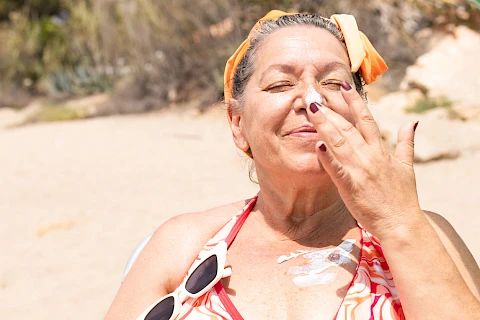
As skin ages, it becomes more vulnerable to sun damage, slower to heal, and more susceptible to skin and eye conditions linked to ultraviolet (UV) exposure. Houston's intense heat and sunshine make sun protection a year-round priority. Simple habits such as using sunscreen, wearing protective clothing and sunglasses, and choosing cooler times to be outdoors may help reduce UV exposure.
Why Skin Changes the Rules
As skin ages, it becomes thinner and loses some of its natural oils and fat layers, making it more vulnerable to sun damage and slower to heal. Some medications, including certain blood pressure drugs and antibiotics, may also increase sensitivity to UV rays, so ask a pharmacist if a new prescription carries a sun warning. Years of sun exposure also raise the risk of skin cancer. Regular skin checks and a broad-spectrum sunscreen with SPF 30 or higher, reapplied every two hours while outdoors, may help reduce sun-related skin damage.
Protecting the Eyes Along With the Skin
Years of ultraviolet (UV) exposure may contribute to cataracts and age-related macular degeneration. Sunglasses that block 99% to 100% of UVA and UVB rays or are labeled UV400 may help protect aging eyes during time outdoors. Wraparound styles provide added coverage by limiting sunlight from the sides. Pair sunglasses with a wide-brimmed hat to shade the eyes, face, ears, and scalp, especially for older adults with thinning hair.
Building Habits That Do Not Feel Restrictive
Sun protection is easier to follow when it becomes part of a daily routine. Keeping sunscreen, sunglasses, and a wide-brimmed hat near the door may help make them easier to remember before heading outside.
For older adults with thinner or more sensitive skin, mineral sunscreens containing zinc oxide or titanium dioxide may be a gentle option. Choose a broad-spectrum sunscreen with SPF 30 or higher, apply it to all exposed skin—including the ears, neck, hands, and tops of the feet—and reapply as directed.
Planning outdoor activities during cooler morning or evening hours may help reduce UV exposure while still leaving time for gardening, visiting neighbors, or relaxing outside. Lightweight UPF-rated clothing, including long-sleeved shirts, breathable pants, and wide-brimmed hats, provides added protection for areas that sunscreen may not fully cover.
Staying Hydrated During Sunny, Hot Weather
Why does heat affect seniors more? Aging changes how the body regulates temperature. Older adults may sweat less, feel thirst less often, and take medications or have health conditions that reduce heat tolerance.
Drinking water regularly, even before feeling thirsty, may help prevent dehydration. When spending time outdoors, take breaks in shaded or air-conditioned areas, wear lightweight clothing, and limit outdoor activities during periods of extreme heat. Pairing these habits with sun protection may help older adults enjoy time outside more safely during the summer.
Enjoy the Outdoors With Safer Sun Habits
Simple sun safety habits may help older adults continue spending time outdoors while reducing exposure to harmful UV rays and extreme heat.
For some seniors, changes in mobility, vision, memory, or daily abilities may make it harder to remember or complete sun protection routines. Senior Helpers West Houston provides personalized in-home care that may help older adults in Houston stay consistent with daily habits, including preparing for outings, organizing personal care routines, and receiving reminders that encourage safer choices during hot, sunny weather. If you or a loved one could benefit from assistance with daily routines that promote safety and independence at home, contact us today to learn more about available care options.