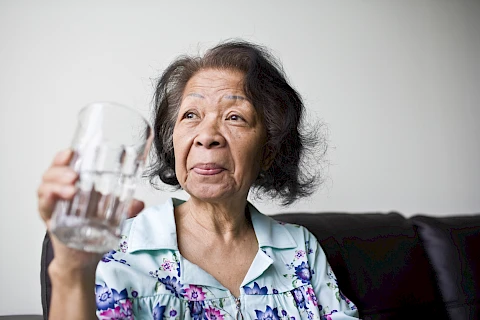
Houston summers are no joke. Even if you've lived here for decades and consider yourself well-adjusted to the heat, you may have noticed in recent years that the warmth hits harder than it used to. That's a real pattern, and it has nothing to do with imagining things. As the body gets older, its relationship with heat genuinely changes.
Understanding the Link Between Heat and Seniors
With age, the body's natural cooling mechanisms slow and become less reliable, significantly increasing the risk of heat-related illnesses. According to the National Institute on Aging, several age-related changes compromise the body's ability to regulate temperature:
- Thinning Skin: As skin thins over time, it becomes increasingly vulnerable to sunburns, even on days when the UV index does not seem severe.
- Reduced Blood Flow: Less vigorous blood circulation to the skin's surface diminishes the body's built-in mechanism for radiating heat away from the core.
- Decreased Sweat Production: Diminished sweat gland activity deprives the body of its primary method for evaporative cooling.
- Rapid Core Heating: Because these natural defenses operate at a reduced capacity, an older adult's core temperature can rise much faster and stay elevated longer.
Medications and Hydration
Common prescription medications and a naturally declining sense of thirst can complicate the relationship between heat and seniors' fluid intake and body temperature management. Manage your hydration and heat safety effectively with these strategies:
- Consult Your Healthcare Team: Ask your doctor or pharmacist whether your daily prescriptions, such as diuretics, blood pressure medications, or antihistamines, affect how your body handles fluid levels or responds to sun exposure.
- Anticipate Diuretic Effects: Recognize that "water pills" increase fluid elimination, meaning your baseline hydration level may already be low before you step outside into the heat.
- Drink Ahead of Thirst: Do not wait until you feel thirsty to drink water. The sensation of thirst becomes less reliable with age, meaning your body requires fluids well before it signals you.
- Establish a Daily Routine: Make a habit of sipping water consistently throughout the day to maintain safe hydration levels automatically, rather than relying on internal cues.
Reading the Signs and Staying Comfortable
Feeling unusually tired, lightheaded, or headachy in the heat is a signal that your body is working harder than usual to stay regulated. It is a reminder of just how closely heat and seniors' well-being are connected. Maintain your comfort and safety in the heat with these practical habits:
- Schedule Around the Heat: Plan outdoor activities early in the morning, when temperatures in the Houston area are more moderate.
- Dress for the Weather: Wear light, breathable clothing and always seek shade when spending time outdoors.
- Keep Water Accessible: Carry a water bottle with you at all times to ensure you can sip fluids continuously throughout the day.
- Utilize Cooling Spaces: Use a small fan in your favorite room or spend the peak afternoon hours in an air-conditioned environment to give your body a necessary break.
Staying Cool and Supported this Summer
Understanding why heat hits harder now can help you plan your days more comfortably. Senior Helpers of West Houston is here to support older adults in Houston with in-home care that keeps daily routines running smoothly, even during the hottest months. Contact us to learn how we can help you stay safe and comfortable this summer.