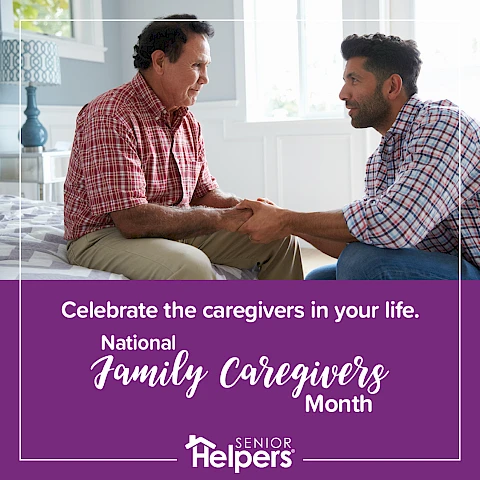
Recognizing Family Caregivers This Holiday Season
The holidays are approaching, and November is National Family Caregivers Month! This is a time to gather with loved ones and plan traditions, meals, and festive activities together to make memories. This can be a stressful time for many who already have a lot on their plate, so taking over holiday planning or hosting duties can be mentally and physically overwhelming. This is especially true for those caring for an aging loved one. "Today, nearly one in four adults in the U.S. is a family caregiver (Rio Grande Guardian)." Let's take a look at a few helpful tips for the holidays!
Plan Ahead
A little communication with family members, hosts, and caregivers before the holiday can help prevent unnecessary stress and last-minute challenges. Consider discussing schedules, meal plans, transportation needs, medication timing, and accessibility accommodations ahead of time. Planning in advance allows older adults to participate more comfortably and helps family caregivers feel more supported throughout the celebration.
Adapt
Have back-up plans or be ready to adjust expectations depending on energy levels, health concerns, or changing circumstances. Sometimes a shorter visit, a smaller gathering, or a quiet holiday meal at home can be more enjoyable and meaningful and enjoyable. Flexibility helps reduce caregiver stress while ensuring older loved ones can participate in ways that are comfortable and safe.
Prioritize Comfort and Connection
The holidays are about spending time together, not checking every item off a to-do list. Focus on activities that encourage conversation, sharing memories, and creating meaningful moments across generations. By prioritizing comfort, rest, and quality time, families can create holiday experiences that are pleasant, inclusive, and memorable for both older adults and their caregivers.
What is respite care?
Respite is care provided by someone other than the primary caregiver. It may come from a family member, friend, nurse, or other caregiver. This is usually for a relatively short-term period of time, in-home, out-of-home, or in the community. We all need to take care of ourselves so we can be at our best for others. Especially when caring for a loved one. Keep in mind that life happens, and sometimes we need to take a break. This may be due to illness, mental wellness, physical health, or attending a special event. It's natural for some to experience guilt when they take a break from providing care, but that should not always be the case. On the other hand, your loved one may need a change of scenery and time to socialize with others. Respite care can provide this needed change of pace for all involved in care. Programs such as Veterans Affairs, Medicare, or Medicaid may cover or reduce the cost of respite care services.
Family caregivers are paramount to the future of care. "The country's population is aging, and by 2030, all baby boomers will be 65 or older, which could drive demand for caregivers even higher (Rio Grande Guardian)." As the need for long-term care and daily support continues to grow, family caregivers will play an increasingly vital role in helping older adults maintain their independence, health, and quality of life. Their dedication not only supports their loved ones but also helps bridge critical gaps in the healthcare system. Recognizing, supporting, and empowering family caregivers will be essential to meeting the challenges of an aging population in the years ahead.
Resources
Senior Helpers Texas Hill Country offers respite and home care services just in time for the holidays! Learn more here www.seniorhelpers.com/tx/texas-hill-country/services/respite-care
Urology, Tiff Perritt for Aeroflow. “Survey Finds 77% of US Family Caregivers Are at a Breaking Point.” Rio Grande Guardian, Rio Grande Guardian, 16 Oct. 2026, riograndeguardian.com/premium/stacker/stories/survey-finds-77-of-us-family-caregivers-are-at-a-breaking-point,87548.