National Wellness Month: Aging and Bone Health
August is National Wellness Month, which is the perfect time to check in with ourselves and our loved ones. It can be overwhelming to try and kick start a health and wellness overhaul, so start small with intentional habits that you can sustain and build on. Health is a self-paced journey, not a race! One piece of the puzzle is our bone health. As we age, our bones become less dense and could be risky with falls. There are many things we can control when it comes to bone health that also help our overall wellness. Let's look at a few healthy tips that you can start this month and share with loved ones!
Bone Density
As we age, our bones naturally become more fragile and prone to fractures. “In the United States, more than 1.5 million fractures are reported each year in individuals over the age of 60. Several recent meta-analyses have correlated a higher calcium dietary intake to reduced fracture risk” (NLM). Small, consistent habits can help slow it down. Getting a bone density screening (especially for those over 50 or who have a family history of osteoporosis) is a great way to know where you stand and catch any issues early. Speak with your doctor about whether a screening makes sense for you.
Vitamin D
This is an essential vitamin for calcium absorption and strong bones. One of the easiest ways to get vitamin D is spending time outside in the sunlight a few times a week. Supplements may be a good alternative if you spend most of your time indoors.
Nutrition
You don't need a complicated diet plan to support your bones. Start by adding a few foods into your routine. Dairy products such as milk, yogurt, and cheese are well-known calcium sources. However, leafy greens (like kale and spinach), almonds, salmon, and fortified foods like juice or cereal are also great options. “Generally, anyone under the age of 50 should aim for a recommended daily intake of around 1,000 mg. However, women over age 50 and men over age 70 are advised to increase their intake to 1,200 mg per day due to their higher risk for osteoporosis” (Texas Health). A well-rounded diet goes a long way in supporting bone strength over time.
Exercise
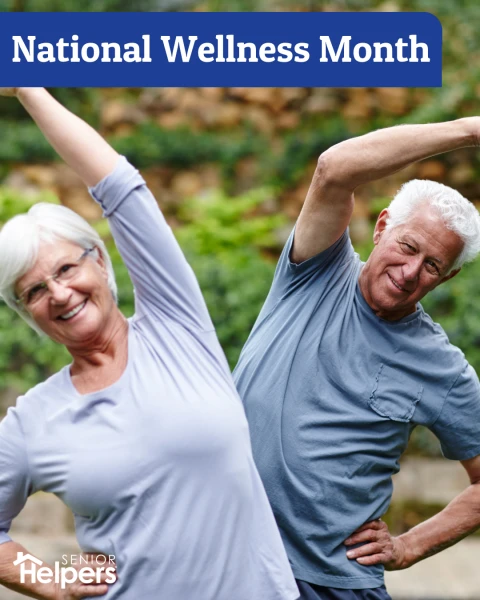
Weight-bearing exercises are especially helpful for bone health because they encourage your body to build and maintain bone density. Walking, hiking, dancing, and weightlifting are all simple ways to get started. Balance movements, like yoga or tai chi, are also helpful as they reduce the risk of falls, which is especially important as bones become more fragile with age.
Small steps this month, like a walk outdoors, adding calcium-rich foods to your meals, or scheduling a bone density screening, can add up to real progress for your bone health and overall wellness. Take care of yourself, one intentional habit at a time!
Resources
Beto, Judith A. “The Role of Calcium in Human Aging.” Clinical Nutrition Research, U.S. National Library of Medicine, Jan. 2015, pmc.ncbi.nlm.nih.gov/articles/PMC4337919/.
“How Your Calcium Needs Change as You Age.” Texas Health Resources, 25 Apr. 2023, www.texashealth.org/areyouawellbeing/Eating-Right/How-Your-Calcium-Needs-Change-as-You-Age.
https://pmc.ncbi.nlm.nih.gov/articles/PMC4337919/
https://acl.gov/sites/default/files/nutrition/Nutrition-Needs_Calcium_FINAL_508.pdf
https://www.texashealth.org/areyouawellbeing/Eating-Right/How-Your-Calcium-Needs-Change-as-You-Age