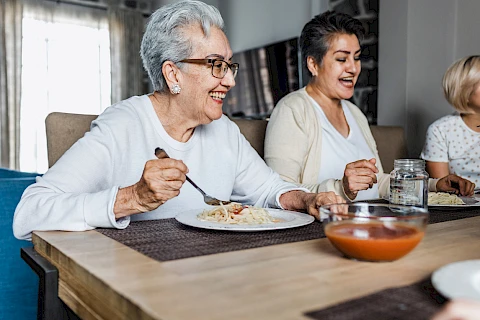
Feeding a senior relative well while managing your own household can be a challenge. Between work and kids, cooking two separate menus most nights isn't time-efficient. A steady batch-cooking habit changes that. Two or three hours on a Sunday can produce the bulk of your senior loved one’s meals for the week, save money, and take the daily "what's for dinner" question off your list.
Set Up a Plan
Before you brown a single pound of turkey, sketch out the week. What does your senior actually eat? What did she leave untouched last time? What has her doctor said about sodium, sugar, or protein?
A working senior menu usually needs about 21 meals a week, or three a day. Aim to prep 14 of them and leave room for fresh fruit, sandwiches, and one takeout meal a week. That's a realistic starting point.
Choose two proteins, two grains or starches, and three vegetables. Rotating those pieces across the week gives variety without cooking eight separate recipes. Check out healthy and practical menu-planning basics to make it easier to create a nutritious meal plan.
Recipes That Freeze and Reheat Well
Here are some foods that freeze and reheat beautifully.
- Turkey and vegetable meatballs. Ground turkey, grated zucchini, oats, egg, garlic, and Italian seasoning. Bake on a sheet pan, cool, freeze on the pan first so they don't stick together, then bag them. Reheat in tomato sauce.
- Slow-cooker beef and barley soup. Chuck roast, barley, carrots, celery, and low-sodium broth. Freezes in single-serve containers and reheats on the stovetop.
- Sheet-pan chicken thighs with roasted sweet potato and green beans. Portion into shallow glass containers. Reheats well in the microwave.
- Overnight oats. Rolled oats, milk or almond milk, a spoon of yogurt, cinnamon, and diced apple. Not frozen. Fridge only. Ready to eat by morning and gives a strong protein-and-fiber start to the day.
Avoid freezing anything creamy, anything breaded, and anything with fresh salad greens.
Portioning for One Person
Older adults eat smaller portions than most recipes assume. A container of chili that feels reasonable to a 45-year-old caregiver looks intimidating to a senior, and half of it will end up back in the fridge.
Portion single servings into shallow containers. Shallow containers reheat faster and more evenly than deep ones. About a cup of protein-and-vegetable stew, a half cup of grain on the side. Label with the date, the meal, and a rough reheating instruction ("2 minutes covered, stir, 1 minute more").
Keep the freezer inventory on a magnetic list on the door. Older eyes appreciate large print.
Handling Special Dietary Needs
Diabetes, kidney concerns, low-sodium diets, and swallowing changes can each shape a menu. Cook the base recipe for the whole family and adjust at portioning. Salt at the plate rather than in the pot. Add cream to your own bowl if your loved one needs to stay dairy-free. Blend a portion smoother when texture matters.
If You Need Help, Call Us
Senior Helpers works with families to prepare meals in the home, handle a light grocery shop, and sit down with a senior loved one while they eat so the food gets more than a passing look. If you'd like help planning a weekly menu or caregiver support in the kitchen once or twice a week, contact us at Senior Helpers Keller. We serve Arlington, Bedford, Fort Worth, Hurst, and North Richland Hills.