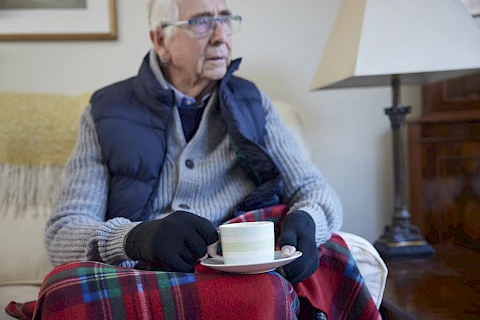
Winter brings challenges for everyone, but the colder months can be risky for seniors. Keeping older loved ones warm, safe, and comfortable becomes a top priority as temperatures drop.
This guide outlines practical ways to support your loved one’s safety this season. It includes tips on maintaining proper home heating, recognizing early signs of hypothermia, and choosing effective clothing layers. You can also explore heating assistance programs that offer added support.
Proper Heating Use
Keeping warm starts with using the right heating options. Electric heaters, gas furnaces, and space heaters are popular choices. Ensure these devices are safe and suitable for seniors:
- Avoid portable heaters that can tip over easily or get too hot to touch.
- Change air filters regularly to ensure efficient operation.
- Keep heaters a safe distance from any flammable materials.
Schedule regular inspections to ensure that everything is running smoothly and safely.
Recognizing Hypothermia Signs
Hypothermia is a serious risk for older adults during winter. It occurs when the body temperature drops to dangerous levels. Signs include shivering, confusion, slurred speech, and exhaustion.
Act quickly if you suspect hypothermia. Move them to a warm place, remove any wet clothing, and wrap them in warm blankets. If your symptoms are severe, seek medical attention immediately.
Preventive measures can help avoid hypothermia. Even at night, make sure their living area is kept at a comfortable temperature and that they are dressed in weather-appropriate warm clothing.
Layering Strategies for Warmth
Layering outfits is an effective way to keep seniors warm and safe in winter. Layers trap body heat more efficiently than a single thick garment. Start with a thin layer of moisture-wicking fabric to keep skin dry, add a middle layer for insulation, such as wool or fleece, and top it off with a water-resistant outer layer to protect against wind and moisture.
Clothing should be comfortable and easy to put on. Opt for items like cardigans or thermal tops and bottoms, and don't forget warm socks, gloves, and hats to prevent heat loss from extremities.
Accessing Heating Assistance Programs
For seniors in Ellis County, various heating assistance programs are available. Programs like the Low Income Home Energy Assistance Program (LIHEAP) provide financial support for heating bills. Each program has specific eligibility criteria, often based on income and household size.
Applications for these grants typically require proof of income, identification, and copies of recent utility bills. Local community agencies can provide guidance and support throughout the application process.
Loved ones or carers can get more information by contacting local government offices or community centres that offer energy assistance during the winter months.
Monitoring Seniors Living Independently
For loved ones living independently, regular monitoring matters. Family members should check in frequently to ensure they are safe and warm. Scheduled visits or phone calls can provide reassurance and catch any issues early.
Technology can also play a significant role in keeping them safe during the winter months. Devices like safety alarms and wearable monitors can alert family members to potential problems, while video calls can offer visual confirmation of their well-being.
How Are You Staying Warm This Winter?
Keeping seniors safe in winter means using appropriate heating, identifying hypothermia symptoms, and dressing in layers. Accessing assistance programs and monitoring loved ones regularly further ensures their comfort, safety, and well-being.
For additional professional assistance, contact us at Senior Helpers Ellis County. We proudly serve Waxahachie, Ennis, Mansfield, Midlothian, Alvarado, and surrounding areas, offering expert care to ensure your loved ones stay warm and safe this winter season.