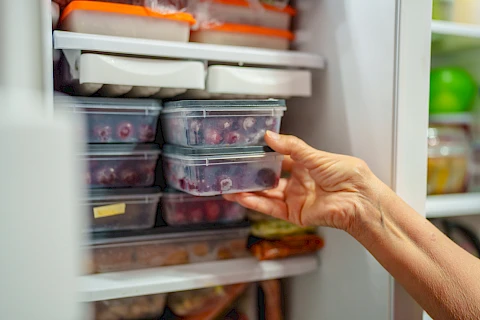
Between work, errands, and checking on an elderly parent, most Dallas caregivers we talk to end up saying the same thing about weeknights: dinner is what falls apart first, and takeout fills the gap far too often. Batch cooking on a Sunday afternoon is one of the few habits that pays off every night of the week. Real food for your parent. A small break for you.
Pick Recipes That Survive the Freezer
Not everything freezes well. Rice, beans, soups, stews, chili, meatloaf, cooked ground turkey, shredded chicken, and casseroles with sturdy noodles all freeze beautifully. Raw potatoes, mayonnaise-based salads, and delicate greens do not.
For a senior parent, lean toward soft textures and gentler seasoning. Chicken and wild rice soup. Beef stew with carrots and small potato chunks. Turkey chili you can thin with a splash of broth. Baked ziti with extra sauce so it doesn't dry out on reheat. If your relative wears dentures or has swallowing issues, cut meats smaller than usual before freezing, since reheating tends to firm proteins up in ways that make chewing harder later.
The National Institute on Aging suggests older adults aim for meals with vegetables, whole grains, lean protein, and low-fat dairy at most meals. Batch cooking lets you hit those categories without decisions every night.
Portion for One, Label Everything
The single biggest batch-cooking mistake families make is packaging in family-size containers. Your parent doesn't need a two-quart tub of stew. They need a one-cup serving of stew and a half-cup of rice, ready to microwave.
Use pint deli containers, silicone soup molds, or freezer bags flattened flat for stacking. Label with the dish name and the date in permanent marker. Freeze in single portions. Rotate older items to the front so nothing hides in the back for months.
A quick note on freezer times. Cooked meat and poultry stay best-quality for two to three months. Soups and stews, two to three months. After that they're safe if kept frozen, but the texture starts to slide. The FoodSafety.gov cold storage chart is worth printing and taping outside the freezer door.
Cook Once for Two Households
Here's the trick that turns batch cooking from a chore into a system: make what you're already making, but double it. Taco meat Tuesday becomes taco meat for your parent's freezer. Sunday's roast chicken becomes sliced portions and a small container of shredded meat for soup.
Set up a rotation. Two proteins. Two vegetable sides, two starches per week. Mix and match at plating so nothing feels repetitive. Swap in a new recipe every couple of weeks.
Special Diets Without Special Effort
If your parent has diabetes, high blood pressure, kidney concerns, or is on a heart-healthy plan, batch cooking gets easier, not harder. You control the salt. You know exactly what went in. Carbs get portioned precisely.
Cook grains and vegetables plain, then season individual portions to fit each condition. Skip cream soups if sodium is an issue. Ask your parent's doctor or a registered dietitian for a printable list of foods to lean on and foods to limit. Then build your rotation from that short list.
Cooking Together for Dallas Families
Sunday-afternoon batch cooking becomes a lot more doable when someone else is peeling carrots or watching the oven. If you live in Dallas and could use help with meal prep, safe storage, or friendly company at the kitchen counter, our Senior Helpers Central Dallas caregivers are ready to lend a hand. We shop, prep, portion, and label alongside your parent on a schedule that fits your week. To talk about what would work best, contact us and we'll set up a short conversation.