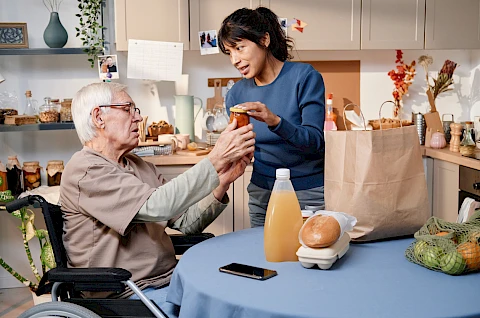
Food safety is a top priority among seniors, who can be particularly vulnerable to foodborne illnesses. Senior Helpers of Murfreesboro guides caregivers on proper leftover management. By following these guidelines, we can help protect our seniors' health and well-being.
The Risks
Seniors are more susceptible to foodborne illnesses for several reasons. As we age, our immune systems weaken, making it harder to fight off infections. Digestive systems also slow down, giving harmful germs more time to take hold. Common symptoms of foodborne illnesses include stomach cramps, diarrhea, and vomiting. These symptoms can lead to severe complications like dehydration, especially in older adults. Caregivers need to be aware of these risks and take steps to minimize them.
Safe Storage Practices
Proper storage is critical in preventing food spoilage and illness. When storing leftovers, follow these guidelines:
- Promptly refrigerate leftovers within two hours to slow bacterial growth.
- Use shallow containers to cool food more quickly.
- Store leftovers in airtight containers to maintain freshness.
Different foods have different safe storage times. Cooked meats and poultry can be stored for 3-4 days in the refrigerator. Soups and stews also last 3-4 days, while cooked pasta and rice can be kept for 3-5 days. Labeling is also essential. Use a marker to note the date on each container. This helps you track how long food has been stored and decide when to discard it.
Identifying Signs of Spoilage
Knowing when leftovers have spoiled is vital. Be alert to visual and olfactory signs, including mold or unusual spots on the food, off or sour smells, and changes in texture, like sliminess. Never taste food to determine its safety. If anything seems off, it's best to err on the side of caution and throw it out. Discarding questionable food can prevent potential illnesses.
Proper Reheating Techniques
Reheating leftovers properly is as important as storing them. Use a food thermometer to ensure internal temperatures reach 165°F, which kills harmful bacteria. When microwaving, stir foods to heat evenly and cover them with a lid or microwave-safe wrap to retain moisture and ensure thorough reheating. For ovens, cover dishes to maintain warmth and texture. These methods help ensure food is safe to consume and retains its taste and quality.
Preventing Cross-Contamination
Cross-contamination can spread harmful bacteria. You need to use clean utensils and surfaces. Wash hands thoroughly before and after handling food. Use separate cutting boards for raw meats and vegetables. Clean countertops and kitchen tools after each use. These simple steps help reduce the risk of spreading germs and protect the health of those in your care.
Senior Helpers Murfreesboro Can Help With Meal Planning and Prep
Safe food management is vital in senior care, especially when it comes to handling leftovers. When they follow proper storage, identify spoilage, reheat safely, and prevent cross-contamination, caregivers can minimize foodborne illnesses. Prioritizing food safety helps safeguard the health of our loved ones.
To ensure your loved ones receive the best care possible, contact us at Senior Helpers Murfreesboro. We serve families in Lebanon, McMinnville, Shelbyville, Manchester, and Murfreesboro areas with professional caregiving services that keep senior safety and health at the forefront.