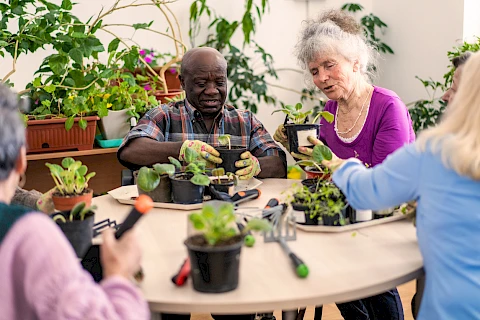
For many seniors, spending time outdoors is both a delight and a valuable addition to their routines. Engaging in outdoor hobbies can uplift spirits, provide exercise, and create a sense of purpose. Among these, gardening stands out as a fulfilling and versatile activity. However, age and mobility challenges can make gardening difficult. That's where adaptive gardening comes in, offering solutions that make it accessible for seniors. By using the right tools and techniques, seniors can enjoy gardening safely and comfortably.
Benefits of Gardening for Seniors
Gardening holds numerous benefits for seniors. Physically, gardening is excellent for exercise. It helps with strength, flexibility, and improving overall physical health. Digging, planting, and watering are great low-impact exercises that keep the body moving.
Mentally, gardening can be soothing. The process helps reduce stress and provides a sense of accomplishment. Interacting with plants can also stimulate cognitive activity, keeping the mind sharp and engaged.
Socially, gardening can be a communal activity. Joining gardening clubs or sharing the experience with friends and family fosters community engagement. Seniors can share a common interest, building connections with others.
Adaptive Tools for Senior Gardeners
Adapting gardening tools can make a world of difference. Many tools are now designed with ergonomic features, making them easier to use and less stressful on the joints.
- Ergonomic and lightweight tools are now widely available, reducing strain during use.
- Tools with extended handles and easy grips help seniors reach plants without bending too much.
- There are also tools designed specifically for seated gardening, allowing seniors to garden from a comfortable chair or bench.
Consider what limitations you are dealing with and select gardening tools that fit those needs.
Ergonomic Techniques for Safe Gardening
Using the right techniques in gardening ensures safety and comfort. It's critical to maintain proper posture while gardening. Bending from the knees rather than the waist can prevent back strain. Seniors should pace themselves, taking regular breaks to avoid fatigue. It's important to listen to one's body and rest when needed. Staying hydrated and protecting oneself from the sun's rays with hats or sunscreen is also vital to prevent dehydration and skin damage.
Container Gardening Ideas
Container gardening is an excellent option for seniors, offering accessibility and convenience. It allows gardening in smaller spaces and requires less bending and stooping. Seniors can select easy-to-grow plants such as herbs, tomatoes, or flowers that thrive in smaller spaces. Using containers of various sizes and shapes can accommodate different plants and make the garden visually interesting. Placing containers on sturdy surfaces or stands brings them to a comfortable working height, making gardening more enjoyable and less physically demanding.
Ensuring Safety in the Garden
Safety should always be a priority in the garden. Creating a safe gardening environment involves ensuring clear and even walkways. Avoiding obstacles that could cause trips or falls is crucial. Stable surfaces are essential for preventing slips, and non-slip mats or gravel paths can provide added stability. Protective gear like gloves and knee pads can protect from cuts and bruises. Keeping a mobile phone nearby in case of emergencies is also a wise precaution.
Assistance Seniors Enjoying Hobbies
Gardening can be a source of endless joy and improved health for seniors. With the right adaptive tools and techniques, gardening becomes an accessible activity that can be enjoyed safely. Encouraging the seniors in our lives to explore adaptive gardening can enrich their days and provide countless benefits.
If you're in Antioch, Hermitage, Mount Juliet, or Nashville and need personalized support for a senior loved one, contact us at Senior Helpers Nashville. We can help seniors with many of their home care needs, including help with gardening and other hobbies.