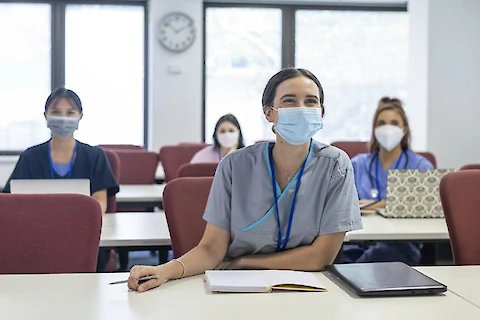
A certified nursing assistant, or CNA, provides hands-on personal care under the supervision of a nurse, including helping with bathing, dressing, eating, toileting, moving safely, and checking vital signs. In a senior's home, a CNA's training means they can handle more physical care and notice early changes in health that family members might miss. Knowing what CNAs do, and how they differ from other caregivers, helps families choose the right level of help for an aging parent.
Main Responsibilities of a CNA
CNAs focus on daily living activities and basic health monitoring. Common duties include:
- Bathing, grooming, and oral care
- Dressing and undressing
- Helping with toileting and incontinence care
- Helping with transfers between the bed and a chair, and with walking
- Repositioning people who spend a lot of time in bed to prevent pressure sores
- Helping with meals and tracking how much someone eats and drinks
- Taking vital signs like temperature, pulse, and blood pressure
- Observing and reporting changes in health, mood, or skin condition to a nurse
What a CNA Does Not Do
CNAs work under nursing supervision and don't perform tasks that require a nursing license, such as giving most medications, managing IVs, or providing wound care beyond basic dressing changes in some settings. Drawing blood is generally not part of a CNA's role, though rules vary by state and employer. In home care, CNAs commonly give medication reminders rather than administering medications.
CNA vs. Caregiver
The word caregiver covers anyone who helps a senior, including family members and non-certified professional caregivers who provide companionship, meal preparation, housekeeping, and personal care. A CNA has completed a state-approved training program and passed a certification exam, which prepares them for more hands-on care and basic health monitoring. Many seniors who mainly need companionship and help around the house do well with a professional caregiver, while those with significant physical care needs may benefit from a CNA.
Home Health Aide vs. CNA
Home health aides, or HHAs, also provide personal care in the home and complete their own federally required training. CNAs usually complete more clinical training and can work in hospitals and nursing homes as well as homes. Requirements for both vary by state, so families should ask an agency which credentials its caregivers hold.
How to Become a CNA
Becoming a CNA typically requires completing a state-approved training program that includes classroom instruction and supervised clinical practice, then passing a state competency exam with written and skills portions. Federal rules require at least 75 hours of training, and many states require more. Programs are offered by community colleges, technical schools, and some healthcare employers, and many can be completed in a few weeks to a few months. CNAs must keep their certification current through work hours and continuing education.
Why Training Matters for Senior Care
Well-trained caregivers know how to help seniors move safely, prevent falls and skin breakdown, recognize signs of infection or dehydration, and respond calmly to the behaviors that come with dementia. That skill set lets seniors stay safer and more comfortable at home and gives families confidence in their care.
Choosing In-Home Care for a Loved One
Before hiring, ask about caregiver training and certification, background checks, supervision, and how care plans are created and updated. Ask what happens if the regular caregiver is sick, and whether you can meet the caregiver before care begins.
In-Home Care in Knoxville
Senior Helpers Knoxville provides trained caregivers for personal care, companion care, and Alzheimer's and dementia care, with care plans built around each senior's needs. Contact Senior Helpers Knoxville to learn more.