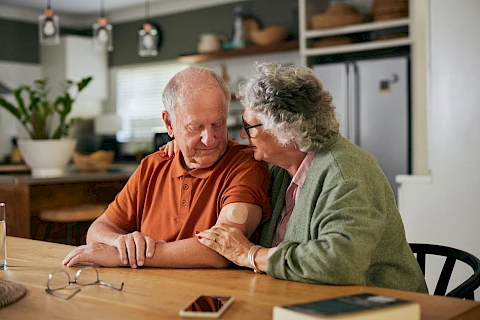
February is American Heart Month, a time to focus on heart health and prevention strategies for cardiovascular concerns. For seniors who live with chronic pain, balancing discomfort relief with strong cardiovascular health can feel complex. Pain management decisions often influence the heart more than many families realize.
Chronic Pain and Cardiovascular Health
Chronic pain is a persistent condition that affects many seniors. It may stem from arthritis, nerve damage, or past injuries. Ongoing discomfort places strain on the body, which can indirectly affect circulation and blood pressure.
Cardiovascular health refers to the condition of the heart and blood vessels. Seniors frequently face concerns such as high blood pressure and heart disease. When pain becomes constant, the body remains in a heightened state of stress, which may place added pressure on the cardiovascular system.
Impact of Medications on Heart Health
Medications often provide relief from chronic pain. However, certain prescriptions may carry cardiovascular considerations. Nonsteroidal anti-inflammatory drugs (NSAIDs) and opioids are commonly used but can present risks for some individuals.
A thorough conversation with a healthcare provider helps weigh pain relief against potential heart-related side effects. Adjustments in dosage, medication type, or monitoring schedules may reduce risk while still addressing discomfort.
Lifestyle Changes and Their Effects
Chronic pain often leads to stress, which can negatively affect heart health. Stress might increase heart rate, blood pressure, and even contribute to heart disease over time. Moreover, chronic pain can reduce a person's ability or desire to be physically active, further elevating cardiovascular risks due to decreased exercise and mobility.
Positive Lifestyle Adjustments
Thoughtful lifestyle changes support both comfort and cardiovascular strength. Gentle stretching and low-impact exercise offer measurable benefits. Walking, swimming, and yoga improve circulation while remaining easier on joints. These activities ease tension and support steady blood flow.
A healthcare provider should review any new exercise plan. Seniors benefit from gradual progression and attention to physical cues. Short sessions of movement allow the body to adapt safely. Duration and intensity can increase as comfort improves.
Enjoyable activities tend to last longer as habits. A quiet neighborhood walk, water aerobics, or chair yoga can provide structure without overwhelming the body. Consistency matters more than intensity.
Protecting the Heart While Managing Pain
Chronic pain management should align with cardiovascular wellness. Open communication with medical professionals and steady lifestyle adjustments help create balance. Small, consistent choices often shape long-term outcomes.
For individuals in Rock Hill, Chester, York, and Clover, Senior Helpers Rock Hill provides in-home support that promotes safe mobility, structured routines, and encouragement around heart-conscious habits. Contact us today to discuss Personal Care or Chronic Disease Care options designed to support both comfort and cardiovascular well-being.