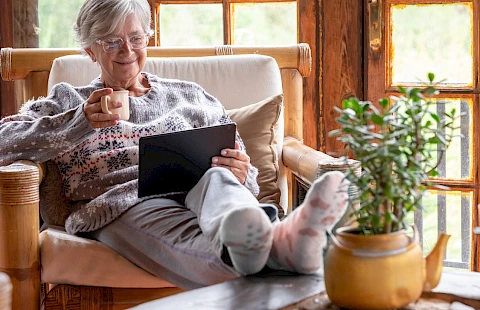
Cold winter months can increase discomfort and health challenges, and some seniors may need guidance on managing chronic pain in cooler weather. Maintaining comfortable indoor temperatures, layering clothing, and recognizing early signs of hypothermia help protect well-being. Small adjustments—like using space heaters safely, insulating rooms, and planning daily activity—keep spaces cozy while reducing fire hazards and energy costs.
Efficient Heating Practices
Maintaining warmth without overspending starts with using heating systems efficiently, including regular maintenance to reduce energy use and extend equipment life. Space heaters provide targeted warmth when placed safely on flat surfaces, away from flammable items, and with automatic shut-off features. Closing doors to unused rooms, sealing drafts, and using thermal curtains can further improve comfort while conserving energy.
Layering Clothing for Warmth
Layering is a simple way to boost warmth without raising the thermostat. Wearing multiple layers traps heat, keeping the body warm. Start with a thin layer made of wool or thermal fabric, which helps insulate effectively. Add a sweater, protect extremities with hats and gloves, and wearthick socks or thermal insoles to keep hands and feet cozy.
Recognizing and Preventing Hypothermia
Hypothermia can develop when body temperature drops too low, with symptoms such as persistent shivering, slowed speech, slow breathing, and confusion. Dressing in layers, including hats and warm socks, helps maintain body heat indoors and outdoors. Regular movement can improve circulation—but seniors should consult their physician before starting a new exercise routine. Check-ins with family, friends, or neighbors support both safety and social connection.
Managing Heating Costs
One of the bigger concerns with winter heating is managing costs. Keeping heating bills down without sacrificing comfort is possible with a few simple steps. Use heavy drapes at night for windows to keep the heat in. Ensure your home is well-insulated to prevent heat loss.
There are also assistance programs available for seniors to help with heating costs. Look into local energy assistance programs that can help offset some expenses. Consider small home improvements such as weatherstripping doors and windows or using draft stoppers, which can significantly reduce energy costs.
Fire Safety Tips
Staying warm should never compromise safety. Use heating equipment cautiously to prevent fire hazards. Keep flammable items at least three feet away from heating equipment.
Ensure your home has working smoke detectors. Check the batteries regularly to ensure they function properly in an emergency. If you enjoy using candles, opt for battery-operated ones to eliminate the risk of open flames. If you do use traditional candles, never leave them unattended.
Stay Warm and Comfortable Throughout Winter
Cold winter months present extra challenges, but small adjustments can make indoor spaces safer and cozier. Efficient heating, careful use of space heaters, and sealing drafts help maintain warmth while keeping energy costs manageable. Layering clothing, protecting extremities, and recognizing early signs of hypothermia support personal comfort and safety.
Senior Helpers Rock Hill offers support that can help seniors in Rock Hill, Chester, York, and Clover stay comfortable throughout the winter and maintain a warm, safe environment while reducing daily strain. Our caregivers can assist with meal preparation, dressing in layers, and checking on daily safety measures, providing both comfort and reassurance. Contact us to explore how personalized in-home support can help seniors stay warm, safe, and well cared for all season long.