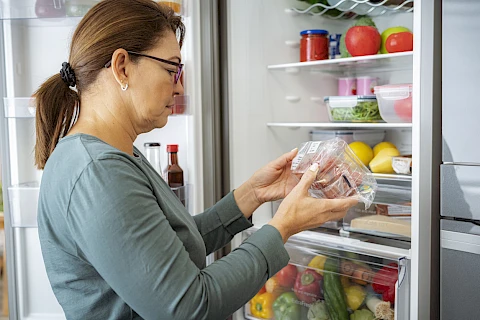
Food safety is a priority, especially for seniors who are susceptible to foodborne illnesses. Their immune systems may not work as efficiently, making them more vulnerable to the bacteria that can grow in improperly stored or handled foods. When it comes to leftovers, knowing how to store and reheat them safely can help prevent these illnesses. Here’s a straightforward guide on managing leftovers safely, protecting your health, and ensuring your meals are both delicious and safe to eat.
Recognizing Foodborne Illnesses
Foodborne illnesses, often referred to as food poisoning, are caused by consuming contaminated food. This contamination can involve bacteria, viruses, or other pathogens that lead to sickness. Seniors are particularly at risk due to weakened immune systems. Symptoms can range from mild stomach upset to severe dehydration and long-term health problems. Recognizing these risks emphasizes the need for proper food handling, especially for seniors who may not recover from illnesses as easily as younger individuals.
Safe Storage Times for Leftovers
Proper storage is essential to keeping leftovers safe to eat. Each type of food has a specific timeframe within which it should be consumed:
- Meats and poultry: 3-4 days
- Fish and seafood: 1-2 days
- Cooked grains and pasta: 3-5 days
- Soups and stews: 3-4 days
- Dairy products: Varies, but most should be used within a week after opening
Labeling leftovers with the date they were prepared helps track freshness and prevents accidental consumption of spoiled foods.
Signs of Spoilage
Knowing when food has spoiled is part of protecting yourself from illness. Spoiled food often looks or smells different. Watch for mold or discoloration, sour or unpleasant odors, and changes in texture, such as slimy meat. It's helpful to go beyond expiration dates by also checking for signs of spoilage. While dates are guidelines, trust your senses. If something seems off, it's better to be safe and throw it out.
Proper Reheating Techniques
Reheating leftovers properly is as critical as storing them. Different foods require specific reheating methods to guarantee safety. Always ensure food reaches at least 165°F when reheating, as this temperature kills most bacteria. Use a food thermometer to check temperatures accurately. When microwaving, cover food so that it reheats evenly and stir halfway through to eliminate cold spots where bacteria may thrive. For larger dishes, consider reheating in the oven for even heating. Taking these extra steps will help eliminate harmful bacteria during the reheating process.
Be Safe, Be Healthy
Food safety is a foundation of healthy living, especially for seniors. Properly handling leftovers by storing them correctly, recognizing spoilage, and reheating safely can help prevent foodborne illnesses. Building these habits will make your meals both tasty and safe.
If you reside in Rock Hill, Chester, York, or Clover and seek support for the care of your senior loved one, don't hesitate to contact us at Senior Helpers Rock Hill. We would love to discuss our services for seniors and their caregivers, such as Personal Care and Respite Care.