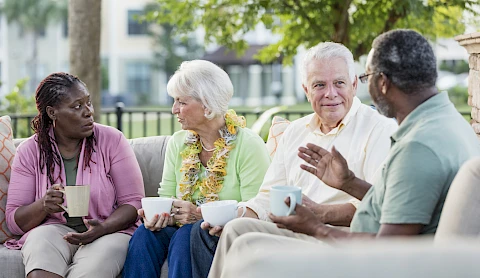
With each new phase of life, staying socially connected supports daily living and emotional balance. Social wellness involves building and maintaining relationships that foster a sense of community. After retirement or other major changes, routines may shift, and familiar social circles may become smaller. Still, it’s possible to stay engaged through meaningful interactions and new opportunities.
What Is Social Wellness?
Social wellnessis about building relationships and making meaningful connections within the community. It involves actively nurturing positive interactions with family, friends, and peers. Major life transitions, such as retiring, often lead to shifts in daily routines and social circles. These changes significantly impact social habits since the opportunities for spontaneous social interactions diminish. For seniors, social wellness is about friendship, and it's essential for mental and emotional health, combating loneliness, and maintaining a sense of purpose.
Adapting to New Social Circumstances
Adjusting to new social dynamics after significant life changes requires adaptability. Adapting means realizing that while your daily environment and available social opportunities have changed, your ability to remain connected remains intact. Many seniors face challenges such as losing regular social contacts from work or relocating to a new place closer to family. These changes can lead to isolation if not appropriately addressed. Recognizing these shifts and proactively taking steps to maintain healthy relationships is vital.
Strategies for Staying Socially Active
A good social life doesn't happen by accident, especially after a significant change. Here are some strategies to help you stay socially active:
- Engage in community activities and groups: Look for clubs, classes, or organizations in Rock Hill, Chester, York, and Clover. Whether it's a book club or a fitness class, these platforms provide excellent ways to meet new people with shared interests.
- Leverage technology for social interaction: Familiarity with tools like video calls or social media can help bridge the distance between family and friends. It's never too late to learn, and these tools can keep you connected and engaged, regardless of physical distance.
- Volunteering: Giving back is a powerful way to meet new people and boost your social well-being. Volunteering helps others and provides you with a sense of accomplishment, as well as a platform to build new friendships.
- Encourage family involvement: Open communication with family members ensures their support in your social endeavors. Whether it's attending family gatherings or simply spending time together, their involvement is valuable.
Overcoming Barriers to Social Engagement
For every strategy, you will encounter barriers. Mobility and transportation shouldn't hinder social engagement. Consider community services that offer transportation, or reach out to friends and family for assistance with attending social events. Feeling apprehensive or shy is natural, but you can manage it by taking small steps. Start by reaching out to one person or attending small gatherings. Local resources in the Rock Hill area to help seniors stay socially engaged include senior centers, libraries, and community centers. These places often host events and gatherings that provide excellent opportunities for social interaction.
Staying Connected After Life Changes
Social wellness contributes to a more enjoyable and balanced lifestyle, especially following major changes like retirement. Staying active in relationships can support both emotional and physical well-being. Adapting to new routines and making time for meaningful interaction can help maintain a steady rhythm of connection. For added support, Senior Helpers Rock Hill offers services that promote social engagement throughout Rock Hill, Chester, York, and Clover.
Contact us to learn how our dedicated team can help you enhance the social well-being of your senior loved ones.