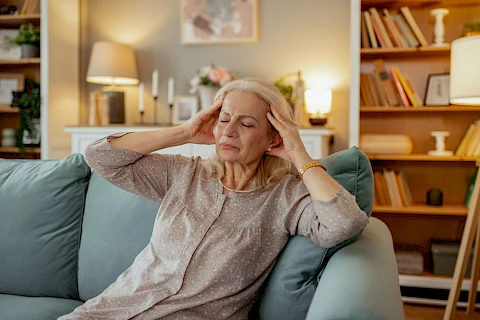
Seniors living with chronic pain often notice something curious: their symptoms don't stay constant. What feels manageable on a mild April afternoon in Rock Hill can feel noticeably worse after a sudden cold snap, and the heat of a South Carolina summer brings its own set of challenges. These patterns are real, and paying attention to them can help you and your loved one manage more effectively.
Why Weather Affects Chronic Pain
The connection between weather and pain is not fully understood, but several plausible mechanisms have been studied. Changes in barometric pressure, the atmospheric pressure that rises and falls with weather systems, may cause soft tissues and joints to expand or contract slightly, which can increase sensitivity in areas already prone to inflammation. Conditions like arthritis, fibromyalgia, and lower back pain are among the most commonly affected.
Cold temperatures cause muscles to tighten and reduce circulation to the extremities, which can make stiffness and achiness worse. Heat, on the other hand, can reduce joint stiffness but may trigger inflammation or fatigue in some individuals, particularly those with certain autoimmune conditions. Humidity plays a role, too, though its effects vary from person to person.
The American Chronic Pain Association encourages people living with chronic pain to track their symptoms alongside weather conditions over time. A simple journal, even just a note in a phone or on paper, can reveal patterns that help both the person in pain and their physician make better decisions about activity, medication timing, and pacing.
Practical Strategies for Warmer Months
As spring transitions into summer in the Chester and Clover areas, a few adjustments can help seniors with chronic pain stay comfortable and active.
Stay hydrated. Dehydration increases pain sensitivity and contributes to muscle cramps. Encourage your loved one to drink water regularly throughout the day, especially during outdoor activities or in warmer weather.
Time activity wisely. For seniors in York and Rock Hill who enjoy walking, gardening, or spending time outdoors, the cooler morning hours before 10 a.m. are often more comfortable than the heat of the afternoon. A gentle warm-up before activity can also help loosen stiff muscles and joints.
Use heat and cold strategically. A warm shower or heating pad in the morning can ease joint stiffness. Cold packs, applied for 15 to 20 minutes, help manage acute flares after activity. Alternating the two is a technique many physical therapists recommend.
Dress in layers. Weather in the Carolinas can shift quickly, and moving from air-conditioned indoors to humid outdoor air can trigger pain responses. Light layers help the body adjust more gradually.
When to Loop in the Doctor
Weather-related pain fluctuations are common, but a significant and sustained increase in pain intensity or new symptoms that don't fit the usual pattern warrant a call to the physician. It's also worth discussing whether medication timing could be adjusted to align with predictable weather changes, since some pain medications are more effective when taken before discomfort peaks than after.
Keep notes to share at the next appointment. Patterns that seem vague in conversation become much clearer when you have a few weeks of observations to point to.
Comfortable Days at Home, Whatever the Weather
Chronic pain management is an ongoing process, and having reliable support at home makes it easier to stay consistent with the habits that help. Senior Helpers of Rock Hill works with seniors and their families throughout Rock Hill, Chester, York, and Clover to provide in-home care that fits each person's needs and routines. Contact us to learn how we can help.