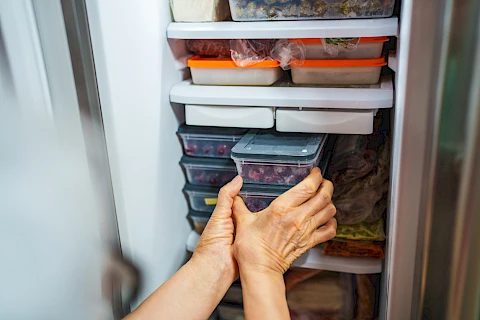
Cooking a pot of chili on a cool September evening usually makes more than one meal, with enough leftovers for reheating. The trouble comes days later when nobody is sure how long that container has been in the fridge. September, being Food Safety Education Month, is a good time to learn more about food safety and prevent foodborne illness. Storing leftovers safely isn't complicated, but a few small habits protect those most at risk for foodborne illness. That includes older adults, whose immune response tends to slow with age.
Proper Storage
Bacteria multiply fastest between 40 and 140 degrees. That is why leftovers should not sit on the counter for more than two hours, and in hot weather, cut that to one.
To cool a big pot quickly, divide it into shallow containers before refrigerating. A four-inch layer of stew cools much faster than a deep pot. Skip the temptation to slide a hot pot straight into the fridge. That warms everything around it and slows the cooling of your other food.
Proper Labeling
A piece of masking tape on the container is a simple way of labeling your food. Write the date and the food. “Chicken soup, 9/12” takes the guesswork out of what is inside and when it was prepared.
Most cooked leftovers are good for three to four days in the fridge. Rice and pasta hold up about the same. Cooked seafood is closer to two. If you know you will not finish it in that window, freeze half the day you cook. Several government sources provide food safety information and how to refrigerate and freeze food properly.
Proper Reheating
Reheat leftovers to 165 degrees. That means steaming hot in the middle, not just warm around the edges. A food thermometer helps. Soups and stews should come to a boil briefly when reheated on the stove.
Microwaves have hot and cold spots. Stir the food halfway through, cover it with a lid or a damp paper towel to hold moisture, and let it rest a minute before eating. That rest time lets the heat even out.
Only reheat what you plan to eat. Repeatedly heating and cooling the same container speeds up spoilage.
Freezer Tricks That Make Weeknights Easier
Portioning leftovers into single servings before freezing is a small effort with a big payoff. A quart-size freezer bag laid flat, then frozen, stacks well and thaws quickly. Soups, sauces, and cooked beans freeze this way beautifully.
Label with the date, what’s inside, and a "use by" date. Older adults on fixed budgets often find that a well-stocked freezer means a warm meal on days when getting to the store feels like too much trouble.
When in doubt, throw it out. That old rule still holds. If it smells off, looks off, or you cannot remember when you cooked it, the meal is not worth the risk.
Safe Food Storage
Small kitchen habits protect health, but they only work if someone has the energy to do them consistently. If your senior loved one could use a hand with meals, grocery runs, or a little company while cooking, Senior Helpers works with families in Aiken, Greenwood, Chapin, Newberry, and Leesville to make in-home senior care fit real lives. Contact us at Senior Helpers Greenwood-Aiken, SC when you would like to talk through a plan.