Grip strength and finger dexterity start declining in middle age and drop faster after 60, and the change shows up first in small daily tasks like buttoning a shirt, opening a jar, or turning a key. Hobbies that keep fingers moving through picking up, twisting, pinching, and squeezing are one of the most enjoyable ways to slow that decline. Occupational therapists use many of the same motions in treatment, just without the yarn, paint, or piano.
Why Hand and Wrist Mobility Matters
Fine motor skills are the small, precise movements of the fingers and hands that let people dress, eat, write, take medication, and use a phone. When joints stiffen and hand muscles weaken, those tasks take longer and become frustrating, and seniors may start relying on others for things they used to do easily.
Regular hand movement keeps joints flexible and muscles stronger, which makes daily activities easier and can ease the stiffness that comes with arthritis. Staying active with the hands also supports independence, since dressing, cooking, and managing medications all depend on them.
Hobbies That Keep Hands Nimble
1. Knitting and Crocheting
Knitting and crocheting work the fingers, wrists, and hand-eye coordination with every stitch, and the repetitive rhythm is calming. Beginners can start with a simple scarf or dishcloth. Seniors with arthritis often find thicker yarn, larger needles, and crochet hooks with cushioned handles much easier to hold.
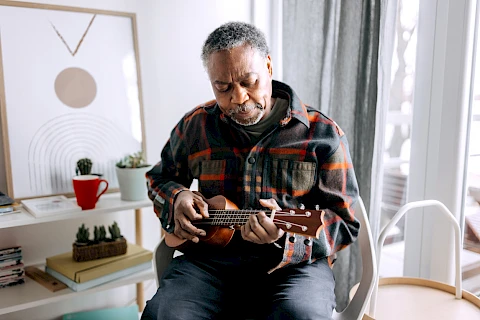
3. Playing a Musical Instrument
Piano, guitar, and ukulele require the fingers to move independently and precisely, which builds dexterity and coordination. Learning songs also gives the brain a workout. Start with simple pieces and short practice sessions of 10 to 15 minutes, and increase as the fingers get stronger.
3. Gardening
Planting seeds, pulling weeds, and pruning use pinching, gripping, and twisting motions that strengthen the hands. Gardening also gets seniors outdoors and offers a sense of accomplishment as plants grow. Ergonomic tools with thick, padded handles and raised beds or containers reduce strain on the hands, wrists, and back.
4. Painting and Drawing
Painting, sketching, and coloring build control and steadiness in the fingers and wrist, and they offer a relaxing creative outlet. Watercolors, acrylics, and colored pencils all work well. Pencils and brushes with thicker grips, or foam grip sleeves that slide over them, are easier to hold for seniors with stiff joints.
5. Puzzles and Board Games
Picking up jigsaw pieces, moving chess pieces, shuffling cards, and rolling dice all use precise finger movements. Puzzles and games also sharpen problem-solving and memory and are easy to share with family. Large-piece puzzles and card holders help seniors who have trouble gripping small items.
H36. Cooking and Baking
Chopping, stirring, kneading dough, and measuring ingredients work the hands in many different ways. Kneading bread dough is especially good for grip strength. Adaptive kitchen tools, like jar openers and knives with angled handles, keep cooking safe and comfortable for hands with arthritis.
H37. Origami and Paper Crafts
Folding paper into shapes requires careful pinching, creasing, and precise finger placement, which makes origami one of the best fine motor activities for adults. Start with simple designs like a paper cup or boat before moving on to cranes and flowers. Card making and scrapbooking work many of the same skills.
Simple Hand Exercises to Pair With Hobbies
A few minutes of hand exercises before a hobby warms up the joints and builds strength over time. Gently make a loose fist, then open the hand and spread the fingers wide. Touch the thumb to the tip of each finger one at a time. Lay the hand flat on a table and lift each finger one by one. Squeeze a soft ball or a lump of therapy putty for a few seconds, then release.
Move slowly and stop if anything hurts. Seniors with arthritis or a recent hand injury should check with their doctor or a therapist before starting new exercises.
When to See an Occupational Therapist
If a senior is dropping things more often, struggling with buttons or zippers, or can't open containers they used to manage, an occupational therapist can help. Therapists evaluate hand strength and coordination, design exercise programs, and recommend adaptive tools for daily tasks. Medicare Part B covers outpatient occupational therapy when a doctor certifies it's medically necessary, and many Rhode Island health systems offer hand therapy programs.
Support for Hobbies and Daily Tasks in Rhode Island
Staying busy with a favorite hobby is easier with someone to help set things up and keep a senior company. Senior Helpers Rhode Island companion care caregivers can join seniors for gardening, cooking, games, and crafts, and personal care caregivers help with daily tasks like dressing when hands aren't cooperating. Contact Senior Helpers Rhode Island to learn more.