Life is full of changes, and for seniors, these changes can significantly impact their social wellness. Social wellness involves having healthy relationships and connections with others, which is ideal for overall health and happiness. Major life transitions, such as retirement, can alter our social habits as we age, making maintaining social wellness fundamental. We want to explore social wellness, how life changes affect it, and some strategies to stay socially active.
Social Wellness
Social wellness means different things to different people, but at its core, it's about maintaining a balanced social life. This includes having fulfilling relationships, being part of a community, and staying connected with others. Social wellness is necessary for seniors as it enhances quality of life, provides emotional support, and helps keep the mind sharp. Staying social can prevent loneliness and isolation, which are common issues among older adults.
The Impact of Major Life Transitions
Major life transitions are a part of everyone's journey, but they can be especially challenging for seniors. Common changes include retirement, moving to a new area, or experiencing the loss of a spouse. Each of these transitions can disrupt social interactions and networks. For instance, retiring might mean losing daily contact with coworkers, while relocating can mean leaving behind friends and familiar social circles. These changes can make it harder to stay connected to a community.
Adapting Social Habits
You need to adapt social habits to fit new life circumstances. Embracing change can lead to growth and open up possibilities for new connections. While change can be intimidating, it doesn't have to be negative. Seniors can view these transitions as opportunities to meet new people and engage in different activities. This requires a willingness to step outside comfort zones and proactively seek social interactions.
Strategies for Maintaining Social Wellness
Here are some practical strategies to help seniors maintain social wellness through life's transitions:
- Joining local clubs or groups can be a great way to meet people with similar interests. Many communities have clubs focused on hobbies like gardening, reading, or quilting.
- Volunteering offers a chance to give back and connect with others. Local charities, hospitals, and schools often need volunteers, and volunteering provides a sense of purpose.
- Participating in senior-focused activities and events can help seniors remain engaged. Community centers or churches frequently host gatherings and activities that cater to seniors.
- Utilizing technology is a great way to stay connected with family and friends. Video calls and social media can bridge the gap when distance is an issue.
- Exploring new hobbies can encourage social interaction. Whether it's a cooking class, a book club, or a dance class, choosing activities that involve socializing can enhance social wellness.
Role of Caretakers and Family Members
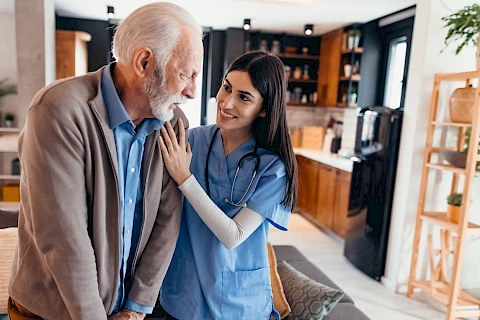
Caretakers and family members can support a senior's social wellness. They need to facilitate opportunities for social engagement. Encouraging seniors to attend events, helping them find local activities, or teaching them to use technology can make a big difference. Family support can motivate seniors to stay socially active and provide the assistance needed to navigate new social landscapes.
Get Help for Seniors on Social Wellness
Social wellness is needed after significant life transitions for any senior's health and happiness. Being proactive and embracing new social environments can lead to fulfilling relationships and a supportive community. For seniors living in Birdsboro, Mohnton, Morgantown, Newmanstown, and Wernersville, reaching out to Senior Helpers Reading can be a great way to find support and stay active and connected. Remember, it's never too late to change and improve social wellness. Let's embrace the journey together!