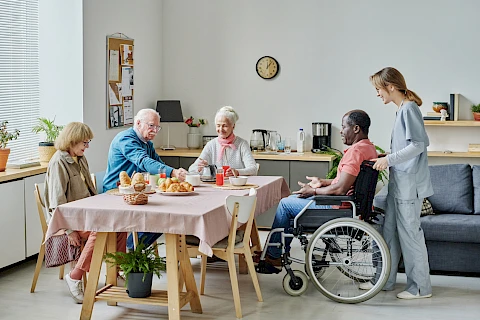
Parkinson’s disease is a progressive neurological condition that affects movement and coordination. While physical challenges are often the focus of care, social connection plays a major part in overall well-being. Staying socially active helps support emotional health, especially for seniors who may be at risk of isolation. With the right support, individuals living with Parkinson’s can maintain meaningful relationships and continue engaging with the people and activities they enjoy.
Why Social Engagement Matters in Parkinson’s
Connecting with others contributes to emotional stability and daily satisfaction. For seniors with Parkinson’s, regular social interaction can ease stress, encourage positive thinking, and improve motivation. These connections can also support cognitive engagement and help maintain routines that promote independence.
In addition to its emotional value, social engagement offers indirect benefits for movement and mental clarity. Group activities or regular conversations may help sustain both physical and mental activity. Maintaining a reliable network of friends and loved ones can add comfort, reduce feelings of isolation, and provide encouragement on more difficult days.
Barriers to Social Activity
Living with Parkinson's presents several obstacles that can hinder social engagement. Mobility issues are a significant challenge, often making it difficult for seniors to attend social gatherings or participate in community events. Communication difficulties can strain relationships, as changes in speech and facial expressions may lead to misunderstandings. Additionally, the stigma associated with Parkinson's can cause embarrassment, leading some to avoid social situations altogether.
Practical Ways to Stay Socially Engaged
There are many accessible options for staying socially active, even when mobility or energy levels fluctuate. Video calls, social media, and online forums allow seniors to connect from home, while local organizations often host activities and support groups tailored to people living with Parkinson’s.
Hobbies such as painting, reading groups, or puzzle-solving offer both entertainment and conversation. For those with mobility concerns, choosing low-impact or home-based activities can help maintain involvement without adding physical strain.
Caregivers can help create routines that include regular social touchpoints. Encouraging visits from friends or planning intergenerational family activities adds variety and support. Professional Parkinson’s care services can also provide structured opportunities for engagement, helping individuals maintain social wellness as part of their broader care routine.
The Role of Caregivers in Facilitating Social Engagement
Ongoing support from caregivers is central to helping individuals with Parkinson’s remain socially connected. Caregivers can assist with transportation arrangements, offer reminders for social events, and help navigate communication difficulties. When needed, they can also introduce adaptive strategies like speech aids or simplified scheduling to make participation easier.
For families and care partners, creating a home environment that encourages regular interaction through phone calls, visits, or shared activities can help maintain social continuity. Community-based programs and caregiver networks often offer tools and ideas for building connections into daily life, even when circumstances change.
Compassionate Support for a Loved One With Parkinson's
Social connection is one part of a broader care approach that supports comfort and confidence for individuals with Parkinson’s. Ongoing engagement contributes to well-being, and with the right assistance, many of the common challenges can be reduced or managed.
If you're in Birdsboro, Mohnton, Morgantown, Newmanstown, or Wernersville, Senior Helpers Reading offers specialized Parkinson’s care services that include support for social involvement. Our team provides in-home care designed to meet both emotional and physical needs year-round. Contact us today to learn more about how we can support you or your loved one.