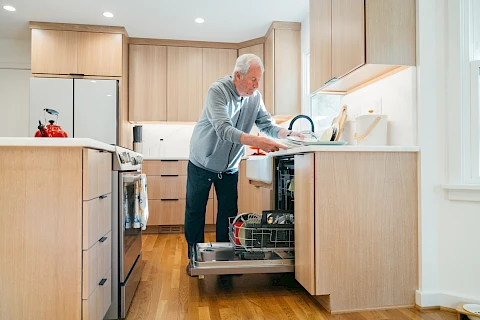
As the nation gears up for another Fourth of July, it's a fitting time to talk about a different kind of independence: the kind that lets an older adult keep living in the home they love. Aging in place means staying in your own house as you get older, rather than moving to assisted living. It's what most seniors say they want when asked directly. Making it work safely takes some thought from the whole family.
What Independence at Home Really Means
Aging in place doesn't mean going it alone. It means having support built into daily life so that a person can keep making their own choices, from what time they eat breakfast to how they spend their afternoon. For most seniors, this could mean a caregiver stopping by twice a week while family handles the rest. For elderly couples, it might mean one person helps the other with the tasks that have grown harder, like reaching high shelves or managing yard work in the summer heat.
The goal is control over daily life, not total self-sufficiency. Families sometimes assume the two are the same thing. That assumption can delay getting help until a crisis forces the issue.
Why Staying Home Matters So Much
A house holds history. The garden someone has tended for decades, the kitchen where family gathered every Sunday, the neighbors who've become close friends. For an older adult, leaving that behind can feel far more disruptive than the physical move itself. Research consistently points to better emotional well-being among older adults who remain in familiar surroundings with the right support in place.
Staying local also protects the small routines that keep people engaged, like a weekly visit to a favorite coffee shop in Prineville or a standing lunch date with old friends.
Steps That Make Home Independence Safer
A home safety walk-through is a good starting point. Look for loose rugs, poor lighting, and stairs without secure railings, all common culprits behind falls. Grab bars near the shower, brighter bulbs in hallways, and a raised toilet seat are inexpensive fixes that significantly reduce risk.
Medication routines benefit from simple structure too. A weekly pill organizer paired with a daily reminder call helps a parent stay on schedule without anyone needing to administer medication directly. Families can split this responsibility across siblings so no one person carries the whole load.
Transportation deserves early planning as well. Losing the ability to drive in Central Oregon's spread-out communities can shrink a person's world quickly if rides aren't arranged ahead of time. Lining up regular transportation for appointments and errands keeps daily life on track. The National Institute on Aging offers a useful guide to home modifications and planning conversations for families just getting started.
Help Loved Ones Age in Place Safely with Senior Helpers
True independence for an older adult usually means staying in the home and community that shaped their life, supported just enough to keep it safe. If your family wants help figuring out the right level of support for your senior loved one in Bend, Redmond, Sisters, Madras, and Powell Butte, Senior Helpers Central Oregon is here for you. Contact us at any time to start exploring your options.