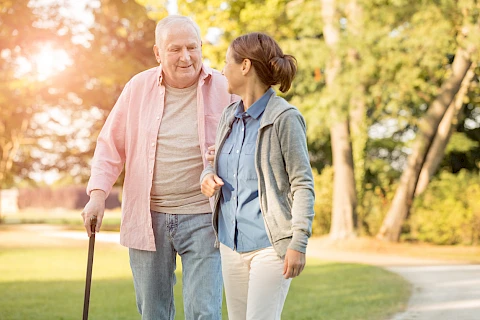
When a senior relative is living with osteoporosis, the condition affects the whole family. Bones that have lost density can fracture from a stumble that would have been nothing a decade ago, and that reality weighs on caregivers who want to keep their loved one safe without taking away their independence. The good news is that there is quite a bit you can do together to slow bone loss and reduce risk. For National Osteoporosis Month, let’s explore what caregivers can do to support bone health in senior loved ones.
Calcium and Vitamin D Supplementation
Most adults know calcium matters for bone health, but absorption is where things get complicated. Vitamin D helps the body use the calcium it takes in, and many older adults are deficient without realizing it. Ask your loved one's doctor to check their levels and recommend appropriate supplementation.
Food sources remain the most reliable way to get calcium: dairy products, fortified plant milks, sardines with bones, and leafy greens like kale and bok choy. Vitamin D comes from fatty fish, egg yolks, fortified foods, and sunlight. Central Oregon gets beautiful summer light in June, and a short walk in Bend or Redmond on a clear morning provides both. If your loved one takes supplements, calcium carbonate is best absorbed with food, while calcium citrate can be taken at any time.
The National Osteoporosis Foundation offers detailed guidance on daily calcium and vitamin D targets by age that you and your doctor can reference together.
Encouraging Safe Exercises
Not all exercise is equally helpful for osteoporosis. Weight-bearing activities, where the body works against gravity, are the most effective for maintaining bone density. Walking, gentle hiking on flat trails, low-impact aerobics, and dancing all count. Resistance exercises with light weights or resistance bands also help, particularly for the spine, hips, and wrists, which are the most common sites of fracture.
What to avoid: high-impact activities like running on hard surfaces, and exercises that involve bending sharply forward at the waist, which can stress vulnerable vertebrae. Always consult with a doctor before starting any physical exercise routine or activity.
Fall prevention strategies
A fall does not have to happen for there to be fracture risk, but falls are the most common cause of osteoporosis-related fractures. Walk through your loved one's home and observe what could cause a stumble: loose cords, low lighting in hallways, slippery bathroom floors. Grab bars in the shower and near the toilet, non-slip mats in the tub, and good lighting at night can all substantially reduce the risk of a fall. Remove floor rugs; bare, clear floors are safer.
Footwear matters more than people expect. Shoes with a firm sole and good ankle support are much safer than slippers or socks alone. If your loved one is reluctant to change habits that feel comfortable to them, framing modifications as additions rather than restrictions tends to be better received.
Partnering with their medical team
Osteoporosis management often involves prescription medications, regular bone density scans (DEXA scans), and adjustments over time. Keeping a simple log of medications, supplements, and any falls or near-falls makes doctor appointments more productive.
Senior Helpers Can Help
The care team at Senior Helpers Central Oregon works with families in Bend, Redmond, Sisters, Madras, and Prineville to support seniors with consistent, attentive in-home care. Contact us and let’s explore how we can help your loved one stay strong and safe at home.