1. Personal Care Assistance
Personal care is often the foundation of in-home support. This includes help with activities of daily living (ADLs) such as bathing, dressing, grooming, toileting, and mobility.
For many seniors, these tasks can become physically challenging or even unsafe to perform alone. Having a trained caregiver assist with personal care not only reduces the risk of falls and injury but also helps maintain dignity and independence.
2. Companion Care
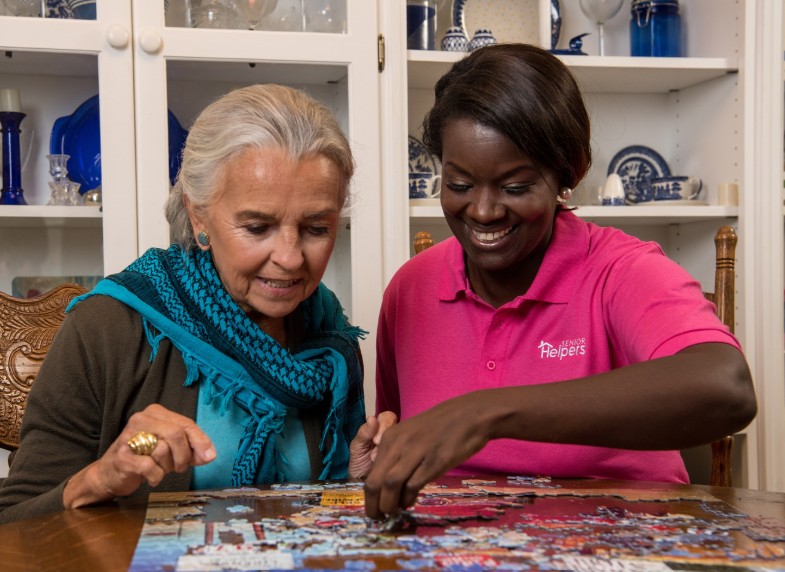
Loneliness and isolation are common concerns among older adults, particularly for those living alone. Companion care focuses on emotional well-being and social engagement.
Caregivers provide meaningful interaction through conversation, games, walks, and shared activities. They can also assist with light household tasks like meal preparation, laundry, and errands. This type of care is ideal for seniors who are largely independent but benefit from regular social connection and support.
3. Alzheimer's and Dementia Care
Caring for a loved one with Alzheimer's disease or another form of dementia requires specialized training and a thoughtful approach. Memory-related conditions often impact behavior, communication, and safety.
Professional caregivers trained in dementia care can provide structured routines, cognitive engagement, and supervision to reduce confusion and anxiety. This service also offers critical respite for family caregivers who may otherwise feel overwhelmed.
4. Respite Care for Family Caregivers
Family members often take on the role of caregiver, balancing it alongside work, family, and other responsibilities. Over time, this can lead to burnout.
Respite care provides temporary relief, allowing family caregivers to take a break while ensuring their loved one continues to receive high-quality care. Whether it's for a few hours, a day, or longer, respite services are an essential part of sustaining long-term caregiving arrangements.
5. Transitional Care and Post-Hospital Support
After a hospital stay or medical procedure, seniors are at a higher risk for complications or readmission. Transitional care helps bridge the gap between hospital and home.
Caregivers can assist with medication reminders, mobility support, transportation to follow-up appointments, and communication with healthcare providers. This added layer of support promotes a smoother recovery and helps prevent setbacks.
Choosing the Right Care in Northern Queens
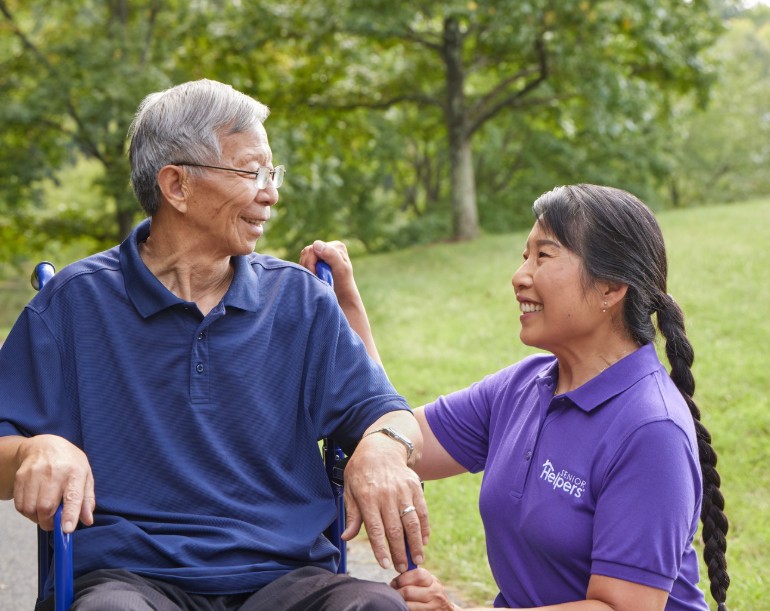
Every senior's needs are unique, which is why personalized care plans are so important. At Senior Helpers of Northern Queens, we take the time to understand each client's situation, preferences, and goals before recommending services.
Whether you're just starting to explore in-home care or need immediate support, our team is here to help guide you through the process with clarity and compassion.
If you're considering in-home care for a loved one in Northern Queens, reaching out for a consultation is a great first step. With the right support in place, seniors can continue to live safely, independently, and comfortably in the place they call home.