Dementia Caregiving: You Don't Have to Do This Alone
If you're caring for a loved one with dementia, there's one thing I want you to remember: you don't have to do this alone.
Caring for someone with Alzheimer's disease or another form of dementia is one of the most loving things a person can do, but it can also be physically exhausting and emotionally overwhelming. Many caregivers spend so much time focusing on their loved one that they forget to seek support for themselves.
The good news is that there are wonderful resources available to help you navigate this journey. If I were talking to a friend or family member caring for someone with dementia, these are the support options I would recommend exploring.
Get Personalized Support
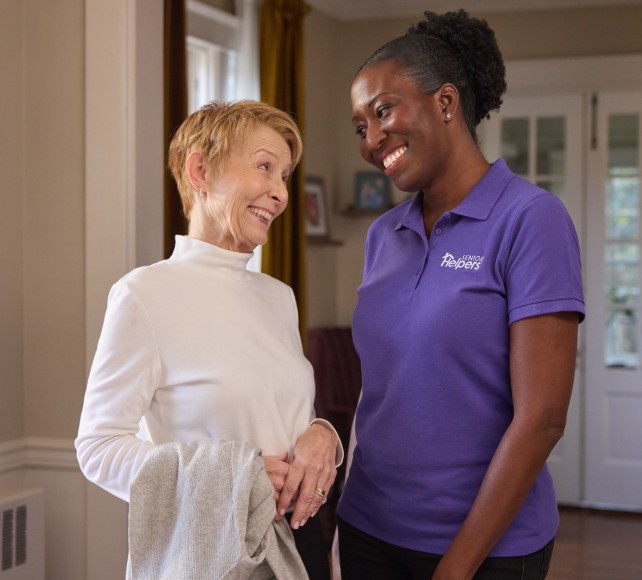
One of the hardest parts of caregiving is knowing what to do when new challenges arise. As dementia progresses, caregivers often face questions about behavior changes, communication difficulties, safety concerns, and future care planning.
CaringKind offers free personalized consultations and one-on-one coaching for family members and friends caring for someone with Alzheimer's disease or other dementias. Their experienced Navigators help caregivers better understand the disease, manage stress, create care plans, and develop practical caregiving skills.
Sessions are available virtually or in person and are offered in both English and Spanish. Having a knowledgeable professional guide you through the caregiving process can make a tremendous difference and help you feel more confident in your role.
Connect with Other Caregivers
Caregiving can sometimes feel isolating. Friends and family members may care deeply, but they may not fully understand what you're experiencing day to day.
That's why support groups can be so valuable.
CaringKind offers drop-in support groups both virtually and in person on Long Island. These groups allow caregivers to share experiences, ask questions, and connect with others facing similar challenges.
Many caregivers find comfort in knowing they are not alone. Support groups can provide practical advice, emotional encouragement, and a safe space to talk openly about the realities of dementia caregiving.
Learn New Skills and Strategies
Most people don't become caregivers because they trained for the job. They become caregivers because someone they love needs help.
Educational programs can help caregivers gain knowledge and confidence while reducing stress.
One caregiver-only program offers ten weekly virtual small-group sessions focused on education, emotional support, and practical guidance. Topics include understanding dementia, coping with grief and stress, navigating changing family relationships, and planning for legal, financial, and end-of-life decisions.
Participants also have access to a complimentary group for their loved one living with dementia and can continue receiving support through ongoing groups after completing the program.
The more you understand dementia, the better prepared you'll be to handle the challenges that come with it.
Address the Emotional Side of Caregiving
Many caregivers experience feelings of grief long before their loved one passes away. As dementia changes memories, communication, and relationships, caregivers often find themselves mourning the gradual loss of the person they once knew.
These feelings are completely normal.
The Passages program is a specialized 10-week support group designed for family caregivers of people with advancing dementia. The program focuses on helping participants process grief and loss while their loved one is still living.
Through guided discussions, coping strategies, education, memory-sharing activities, and self-care practices, caregivers gain valuable tools for navigating the emotional side of caregiving.
Knowing that others share similar experiences can be incredibly comforting during difficult times.
Keep Trusted Resources Handy
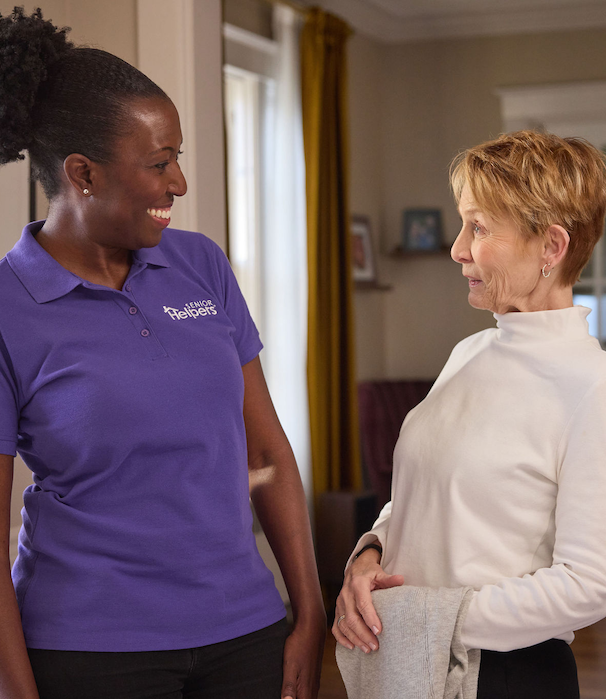
Every dementia caregiver should have reliable support available when they need it.
The Alzheimer's Association offers a 24/7 Helpline at 800-272-3900. Whether you have questions about dementia, need guidance during a difficult situation, or simply want someone to talk to, support is available around the clock.
The organization also offers support groups and local resources throughout the country. By finding your local chapter, you can access programs and services tailored to your community.
Having a trusted resource available at any time can provide reassurance when challenges arise.
Focus on What Your Loved One Can Still Do
One of the most valuable shifts in dementia caregiving is learning to focus on abilities rather than limitations.
Senior Helpers offers a specialized caregiver training program called Senior Gems, developed by dementia expert Teepa Snow. The training teaches caregivers how to better understand the stages of dementia and adapt their communication and caregiving approaches accordingly.
Instead of concentrating on what has been lost, caregivers learn how to build on the strengths and abilities their loved one still possesses.
The virtual course lasts approximately three to four hours and is divided into six segments that correspond to different stages of dementia. Many caregivers find that the strategies help reduce frustration and create more positive daily interactions.
Remember to Care for Yourself Too
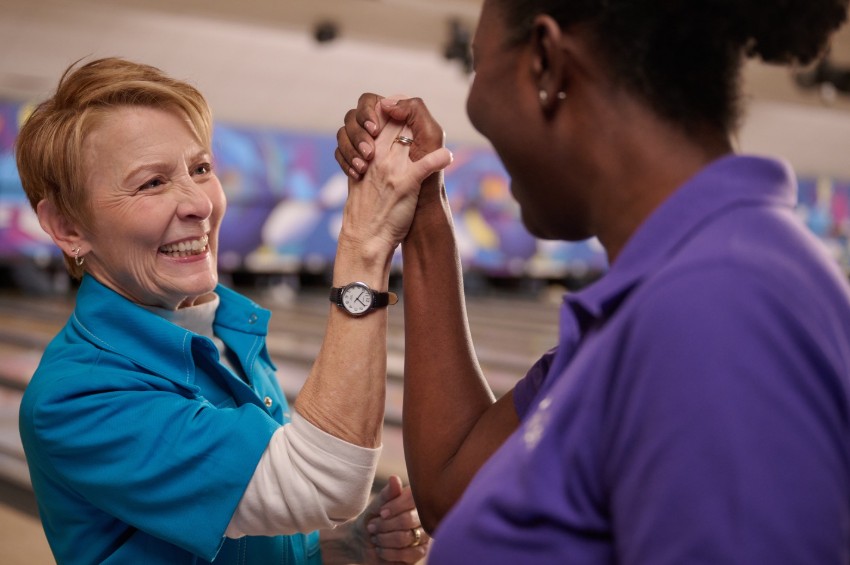
Perhaps the most important advice I can offer is this: caring for yourself is part of caring for your loved one.
Support groups, coaching, educational programs, and caregiver training aren't signs that you need help because you're struggling. They're tools that can help you become a more confident, informed, and resilient caregiver.
Dementia caregiving is a challenging journey, but you don't have to walk it alone. By reaching out for support, connecting with others, and taking advantage of available resources, you can find guidance, encouragement, and hope along the way.
You deserve support just as much as the person you're caring for.