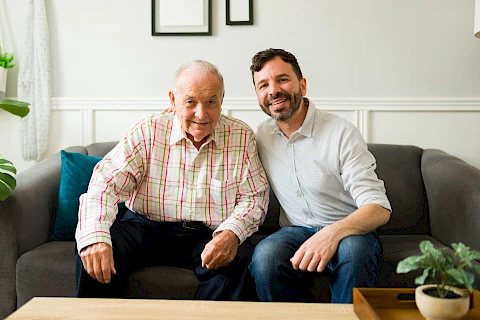
Parkinson's disease is a progressive neurological disorder that not only affects movement but also has a significant impact on mental health. Patients may experience a range of mental health problems, which can be just as challenging as the physical symptoms. Addressing these mental health issues is necessary for improving the overall quality of life for individuals with Parkinson's.
Mental Health Challenges in Parkinson's
Depression is a common mental health condition for seniors with Parkinson’s. It can lead to feelings of sadness, hopelessness, and loss of interest in activities and can severely impact their daily lives.
Anxiety is another issue that often goes hand-in-hand with Parkinson's. It can manifest through excessive worrying, panic attacks, or fear, making daily activities challenging and overwhelming.
Apathy, characterized by a lack of motivation and indifference, is also common. Apathy can lead to a decrease in engagement with life and activities. Cognitive changes such as memory lapses and difficulties with thinking and problem-solving can also affect those with Parkinson’s.
Recognizing Signs of Mental Health Issues
Identifying the symptoms of depression and anxiety is the first step in providing help. Look out for changes in mood, withdrawal from social interactions, and alterations in sleeping or eating patterns. Early detection and intervention can prevent these issues from worsening and improve a person’s quality of life.
Strategies for Providing Emotional Support
Creating a supportive and understanding environment helps address mental health challenges in seniors with Parkinson’s. Ensure your loved one feels heard and valued in every interaction. When someone feels truly listened to, it can make an enormous difference in their emotional well-being. Encouraging open communication about feelings and concerns should be a priority in your caregiving approach. Let your loved one know it's okay to talk about what's on their mind, and offer a listening ear without judgment.
Regular social interaction and structured daily engagement can ease feelings of isolation—benefits often associated with companion care for seniors. Engaging in activities that promote mental well-being can create positive experiences that counteract negative emotions. Consider hobbies they've always enjoyed, spending quality time together doing something meaningful, or gentle exercises appropriate for their mobility level. Before starting any new fitness regimen or activity, seniors should consult their doctor. Establishing a routine and structure in daily life can also provide stability and reduce feelings of anxiety or depression.
Encouraging Professional Mental Health Treatment
Professional help is needed in managing mental health challenges. Discuss the benefits of seeking help from mental health professionals with your loved one. They can offer therapies and medication that might significantly improve mental health symptoms.
Meeting the Mental Health Needs of Seniors with Parkinson’s
Mental health changes in Parkinson’s disease often emerge alongside physical symptoms, making them easy to miss. Early recognition and steady, attentive care are necessary because depression, anxiety, apathy, and cognitive shifts can influence mood, motivation, and connection. Consistent routines, open conversation, and engaging activities can help stabilize emotions, while care from qualified mental health professionals can address more complex concerns and improve day-to-day functioning.
When additional care is needed, Senior Helpers Northern Queens provides Parkinson's-specific care, cognitive engagement programs, and trained caregivers who can recognize mood changes, encourage regular interaction, and reinforce daily structure to support emotional well-being. Our team delivers dependable in-home care to those in Astoria, Long Island City, Woodside, Elmhurst, and Corona that is tailored to each individual’s needs. Contact us to learn how our services can help strengthen your loved one’s emotional health and daily quality of life.